Direct Overview: Places to Visit in Kanyakumari District
Where to visit in Kanyakumari District? Kanyakumari offers a multifaceted travel experience spanning four geographic zones: 1) The Cape Confluence (Vivekananda Rock, Thiruvalluvar Statue, Curved Glass Sea Bridge, Bhagavathi Amman Temple, Lighthouse), 2) Heritage & Forts (Padmanabhapuram Teakwood Palace, Suchindram Thanumalayan Temple, Vattakottai Coastal Fort), 3) Western Ghats & Waterfalls (Mathur Hanging Aqueduct, Thirparappu Waterfalls, Pechiparai Dam, Ulakkai Aruvi Trek, Chitharal Jain Caves), and 4) Scenic Coasts (Muttom Sea Cliffs, Lemur Casuarina Beach, Sanguthurai Dunes, and Manakudy Bird Sanctuary).
Most travelers think of Kanyakumari purely as the southernmost rocky headland where India meets three vast bodies of water: the Arabian Sea, the Indian Ocean, and the Bay of Bengal. But for those of us who have lived here for generations — keeping shop in the bustling heart of Vadasery, Nagercoil since 1965 — Kanyakumari is an entire vibrant district bounded by the lush Western Ghats, coconut river valleys, 16th-century teakwood palaces, mountain waterfalls, and ancient rock-cut shrines.
This master directory organizes every top destination across the district into four distinct geographic and experiential travel zones, ensuring you can plan a comprehensive and seamless holiday without crisscrossing the countryside.
Zone 1: The Cape & Coastal Confluence
This is the iconic seaward tip where the Arabian Sea, the Indian Ocean, and the Bay of Bengal converge. The energy here is spiritual, maritime, and dramatic.
- Vivekananda Rock Memorial & Thiruvalluvar Statue: Reached by the legendary Poompuhar ferry across the surf. Stand in the sacred Dhyana Mandapam where Swami Vivekananda meditated in December 1892, and marvel at the 133-foot stone colossus honoring Tamil literature's greatest philosopher, Thiruvalluvar.
- The Curved Glass Sea Bridge: Opened in late 2024, this modern architectural marvel connects the twin ocean rocks with reinforced transparent glass beneath your feet, allowing you to gaze directly into the churning ocean swells 40 feet below. Read our Glass Bridge Guide.
- Bhagavathi Kumari Amman Temple: A 3,000-year-old sea-facing shrine dedicated to the Virgin Goddess Kanyakumari, famous for her glowing diamond nose ring that is said to have guided ancient mariners through storm-tossed seas. See our Temple Timings Guide.
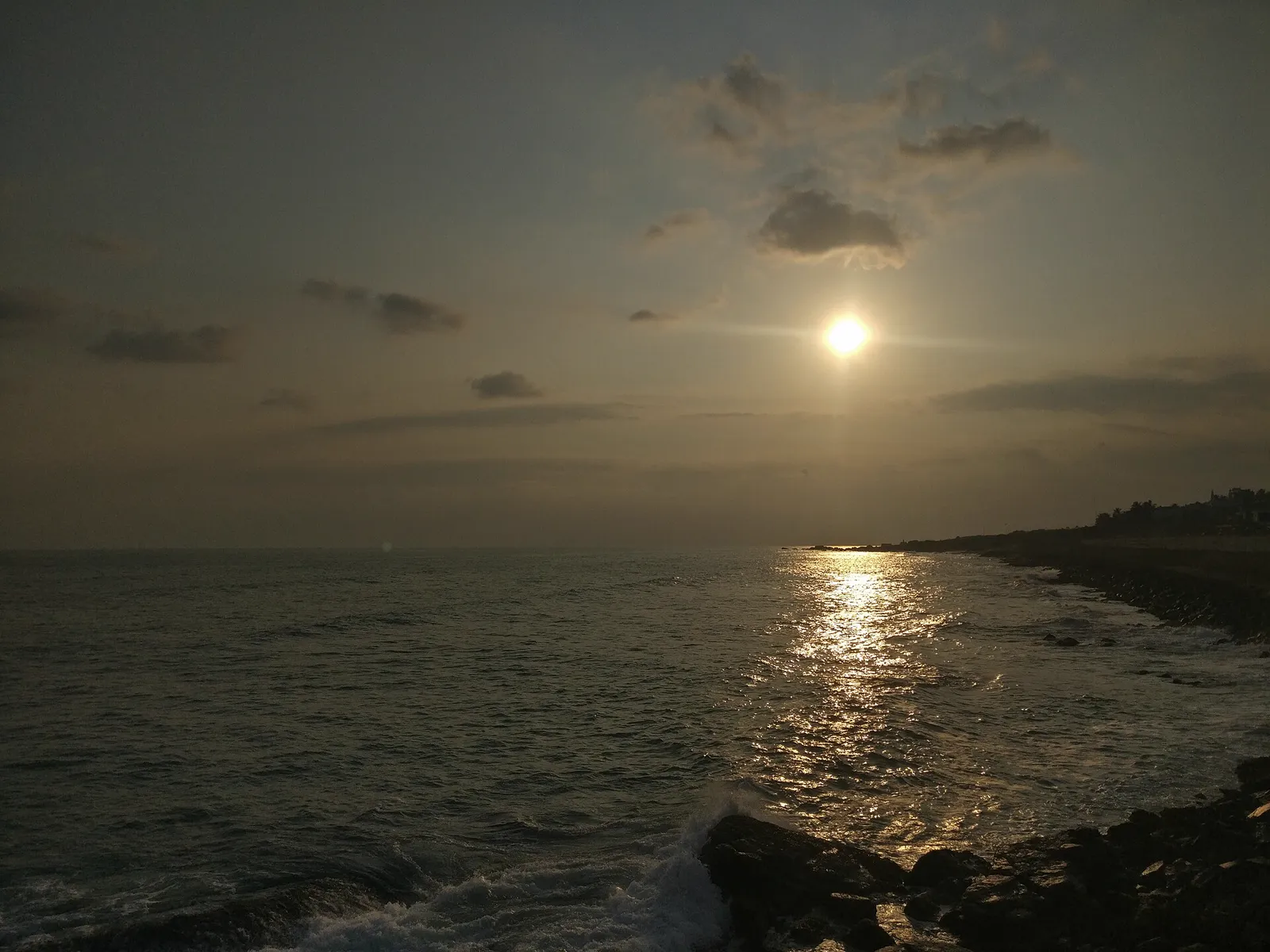
- Kanyakumari Lighthouse & Sunset Point: Climb or take the modern elevator to the top observation deck for an awe-inspiring 360-degree aerial panorama of the coastline, and watch the legendary sunset where twilight reflects across two seas simultaneously. Read our Lighthouse Guide.
- Gandhi Memorial Mandapam & Kamarajar Manimandapam: The pink memorial built in the architectural style of Odisha temples, designed so that on October 2nd (Mahatma Gandhi’s birthday), the sun's first rays fall precisely on the spot where his ashes were placed before immersion.
Zone 2: Royal Heritage, Forts & Ancient Temples
Situated within 15 to 25 km of Nagercoil, this central historic belt preserves centuries of Travancore royal statecraft, Dravidian stone architecture, and colonial military engineering.
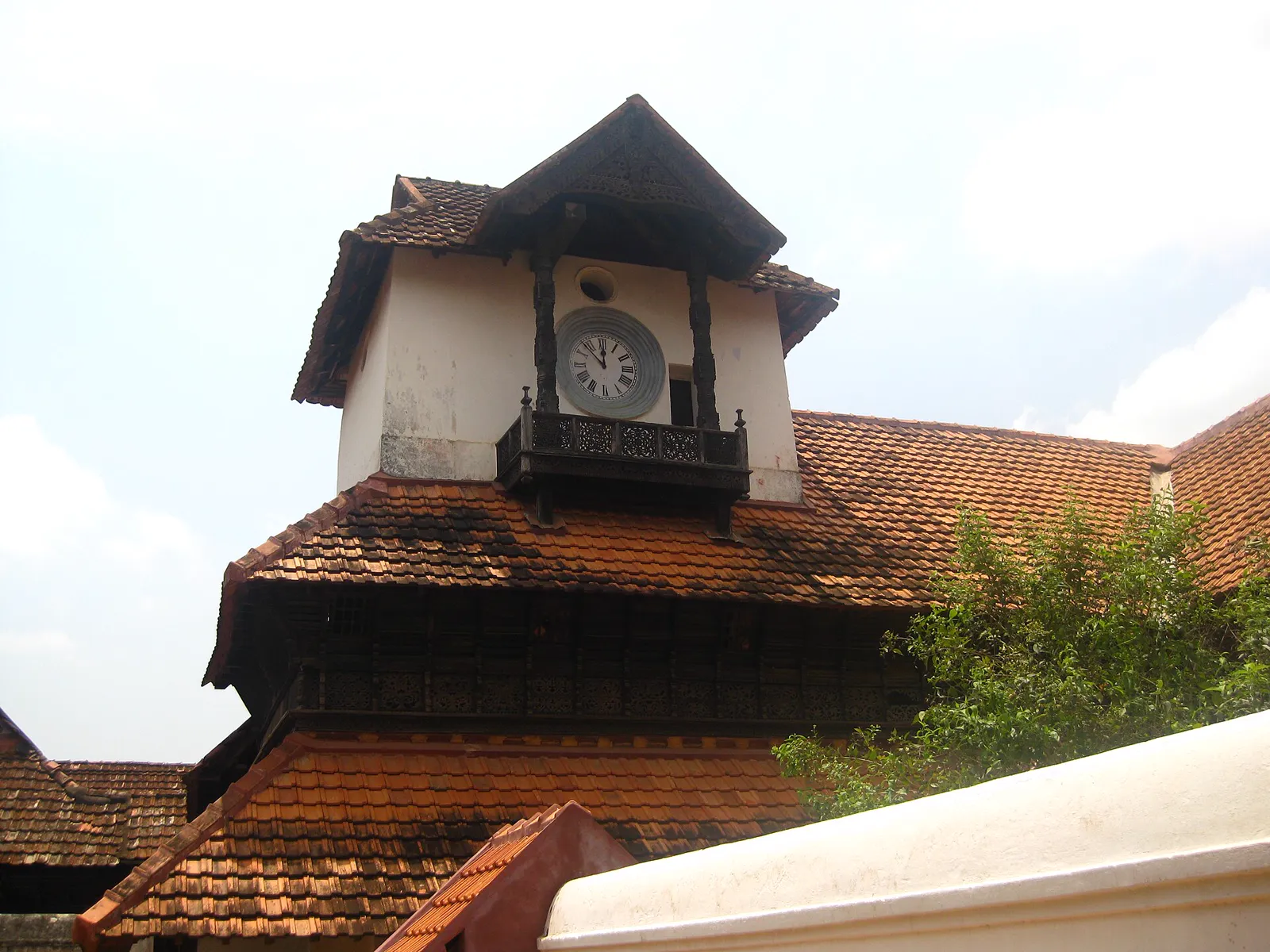
- Padmanabhapuram Palace (Thuckalay): Asia's largest and most intricate wooden palace complex, constructed in the 16th century. Features rosewood carved ceilings, secret underground escape tunnels, Belgian stained mirrors, and rare medicinal herbal polished floors made with burnt coconut shells, egg white, and river sand that stay cool during peak summer heat. Detailed in our Padmanabhapuram Palace Guide.
- Suchindram Thanumalayan Temple: A rare sanctum where Brahma, Vishnu, and Shiva are worshipped as one deity (Sthanumalayan). World-renowned for its four 18-foot monolithic musical pillars that emit classical swaras when tapped, and the towering 22-foot monolithic statue of Lord Hanuman. Read our Suchindram Temple Guide.
- Vattakottai Fort: An 18th-century circular granite coastal fort constructed by Captain Eustachius De Lannoy, commander of the Travancore army. Walk along the wide stone ramparts for sweeping views of the roaring sea on one side and the wind turbines of Muppandal on the other. Read our Vattakottai Guide.
- Nagaraja Temple (Nagercoil): The historic serpent temple that gave Nagercoil town its name, featuring roof thatch traditionally renewed once a year and sacred wet sand prasadam that changes color between black and white. Read our Nagaraja Temple Guide.
- St. Francis Xavier's Cathedral (Kottar): One of Asia's oldest Christian pilgrimage centers, established where St. Francis Xavier lived and preached in 1542 CE, featuring an ancient miraculous freshwater well. Read our Kottar Cathedral Guide.
Zone 3: Waterfalls, Aqueducts & Ghats Eco-Tourism
Heading inland toward the foothills of the Western Ghats brings you into a cooler realm of dense rubber estates, spice plantations, cascading mountain streams, and engineering triumphs.
- Mathur Aqueduct (Mathoor Thottipalam): Recognized as one of the longest and highest flume aqueducts in all of Asia, carrying irrigation canal water 115 feet above the lush Pahrali river gorge over 28 colossal pillars. Read our Mathur Aqueduct Guide.
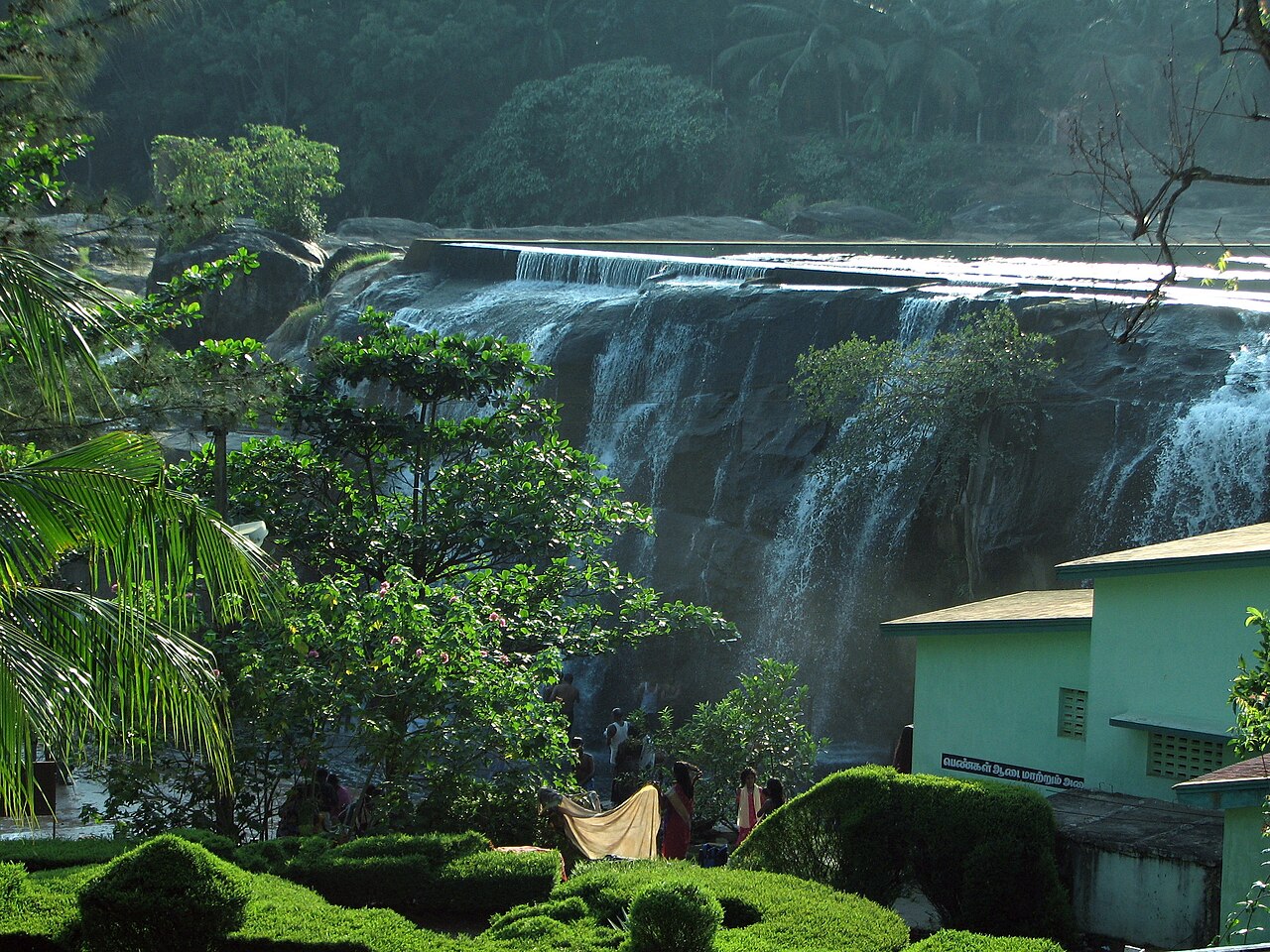
- Thirparappu Waterfalls: A wide, cascading 50-foot waterfall on the Kodayar River, complete with a historic 9th-century Shiva temple at its entrance, safe family bathing platforms with mountain herbal water, and pedal boating. Read our Thirparappu Falls Guide.
- Chitharal Jain Rock-Cut Monuments: A tranquil hilltop archaeological site near Marthandam with 9th-century Digambara Jain rock-cut reliefs and Tirthankara carvings nestled among giant granite boulders overlooking a green ocean of coconut palms. Read our Chitharal Jain Guide.
- Pechiparai & Perunchani Reservoirs: Serene mountain reservoirs tucked inside dense Western Ghats rainforests, offering refreshing eco-nature walks, boat rides, and views of the Kani tribal forest belt. Read our Pechiparai Eco Guide.
- Ulakkai Aruvi Waterfalls: A secluded natural mountain spring cascade near Azhagiapandiapuram requiring a scenic 2 km rainforest trek. Read our Ulakkai Aruvi Trekking Guide.
Zone 4: Pristine Beaches & Coastal Trails
Escape the crowded tourist promenades and explore the district's secret coastlines along the Arabian Sea and Indian Ocean:
- Muttom Beach & Colonial Lighthouse: Dramatic rocky sea cliffs, crashing turquoise breakers, an 1875 British lighthouse, and an open cliffside sunset pavilion made famous in South Indian cinema. Read our Muttom Beach Guide.
- Lemur Beach (Ganapathipuram): A calm, pine-shaded beach lined with dense casuarina groves and gentle surf, ideal for unhurried family picnics. Read our Lemur Beach Guide.
- Sanguthurai Beach & Manakudy Estuary: Wide white sand shorelines, a giant conch shell pillar landmark, and a thriving mangrove wetland bird sanctuary attracting migratory flamingos and herons. Read our Sanguthurai Guide.
- Mandaikadu Bhagavathi Amman Temple: The coastal shrine known as the "Sabarimala of Women" where millions worship a living 15-foot anthill deity by the Arabian Sea. Read our Mandaikadu Temple Guide.
- Comprehensive Coastal Comparison: See our ranking in the Best Beaches in Kanyakumari District.
Seasonal Planning: When to Visit Each Zone
Kanyakumari District experiences distinct climatic micro-zones:
- Winter (October to March): Ideal for all four zones. Daytime temperatures range between 23°C and 29°C with clear skies and calm sea conditions for the ferry and glass bridge. December brings the grand Suchindram Car Festival and Kottar Feast. Read our December Guide.
- Monsoon (June to November): The district's dual monsoons fill Thirparappu Falls, Pechiparai Dam, and Ulakkai Aruvi into roaring cascades, turning the Western Ghats emerald green. See our Monsoon Guide.
- Summer (April & May): Breezy coastal evenings and the magical Chaitra Pournami full moon where sunset and moonrise occur simultaneously. Read our Best Time to Visit Guide.
Transportation & Local Geographic Circuiting
Kanyakumari District is well-connected by highways and railways. For the most efficient sightseeing:
- Base Yourself in Nagercoil: Nagercoil sits at the geographic center of the district. It is 18 km north of Kanyakumari Cape, 15 km east of Padmanabhapuram, and 30 km south of the waterfalls. Staying in Nagercoil avoids backtracking and offers access to authentic South Indian restaurants and shops.
- By Train: Major express trains terminate at Nagercoil Junction (NCJ), Nagercoil Town (NJT), and Kanyakumari (CAPE).
- By Air: Trivandrum International Airport (TRV) is 70 km away (approx. 2 hours via the four-lane NH66).
The Essential Tour Ritual: Vadasery 4 PM Tiffin
No sightseeing trip across Kanyakumari district is complete without stopping by Asambu Road in Vadasery, Nagercoil. Grab piping-hot cashew onion pakoda and freshly fried Nendran banana chips straight from our wood-fired cauldrons to fuel your road trip across the district!
Call RajaGopal Sweet Stall Order on WhatsApp