Most of Tamil Nadu waits all year for one monsoon. Nagercoil gets two. Wedged between the Western Ghats and two seas, Kanyakumari district catches the tail of the southwest monsoon that drenches neighbouring Kerala, then takes the full force of the northeast monsoon that waters the rest of the state. The result is the greenest district in Tamil Nadu — and a rainy season with its own rhythm, smells, and menu. Here is what it is actually like, from people who close the shop shutters halfway when the evening rain comes in sideways.
Two Monsoons, One Green District
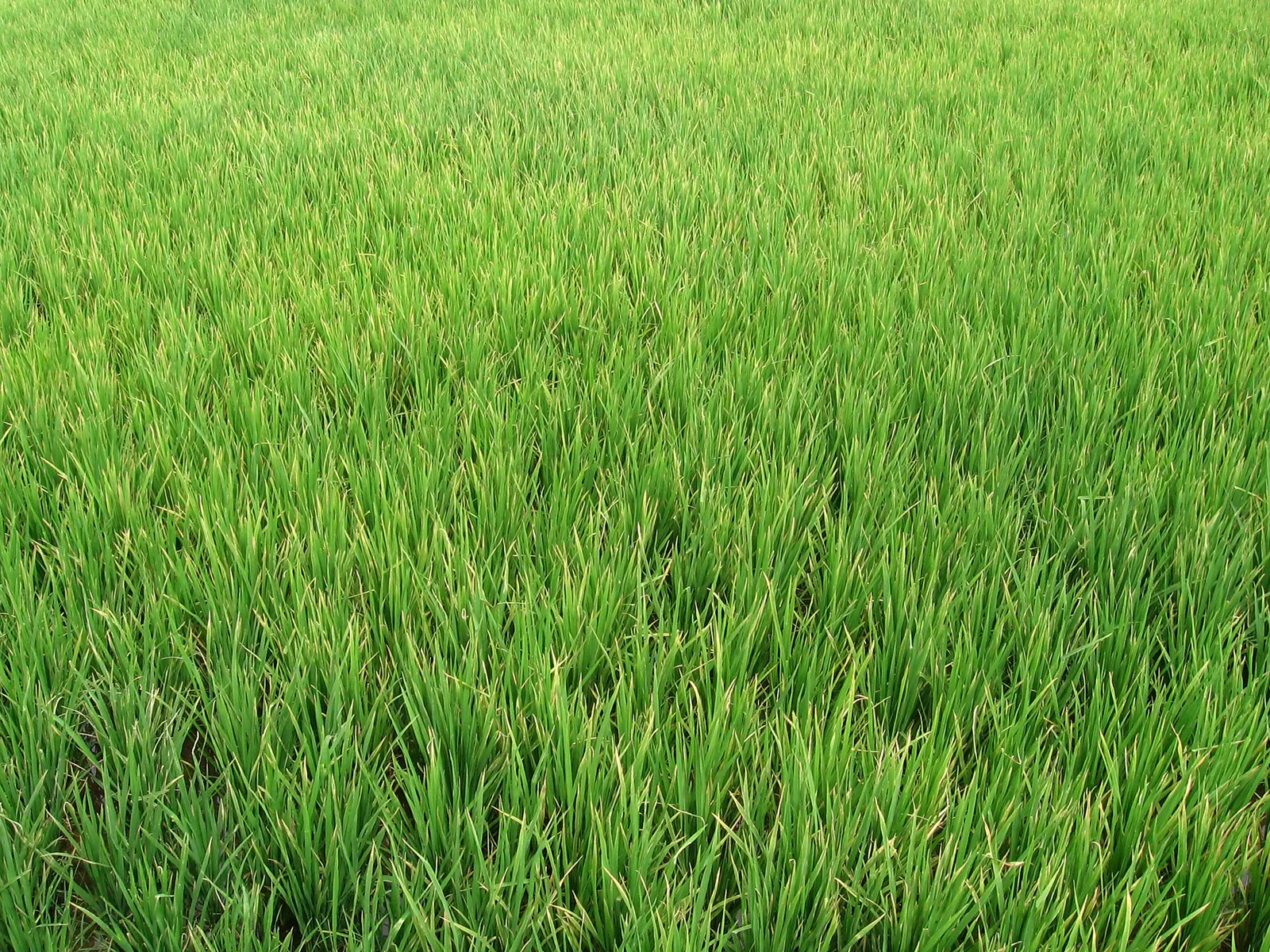
The southwest monsoon arrives first, usually in early June, spilling over the low passes of the Ghats from Kerala. It rarely settles into all-day rain on this side of the mountains; instead it delivers brooding skies, gusty showers, and spectacular cloud walls over the hills. The northeast monsoon, from October to December, is the serious one — proper Tamil Nadu rain, arriving in the afternoon and often continuing into the night. Between the two, the district's paddy fields, banana farms, and rubber estates get watered nearly year-round, which is exactly why the countryside between Nagercoil and the Cape stays so improbably green.
Month-by-Month: What to Expect
June–September: warm, breezy, and showery. Mornings are often clear; clouds build over the Ghats by afternoon. Good for travel, with the windmills on the Kanyakumari road spinning at full tilt.
October–December: the heavy season. Expect proper downpours, swollen streams off the hills, and the occasional flooded street in town. This is also the most atmospheric time — the district smells of wet earth and filter coffee.
January–March: dry, clear, and the classic postcard weather. If your priority is a guaranteed sunrise at the Cape, come now — our Kanyakumari sunrise guide covers the seasonal timings.
April–May: hot and humid, broken by pre-monsoon thunderstorms that locals greet like old friends.
Why Locals Love the Rain (and What They Eat)
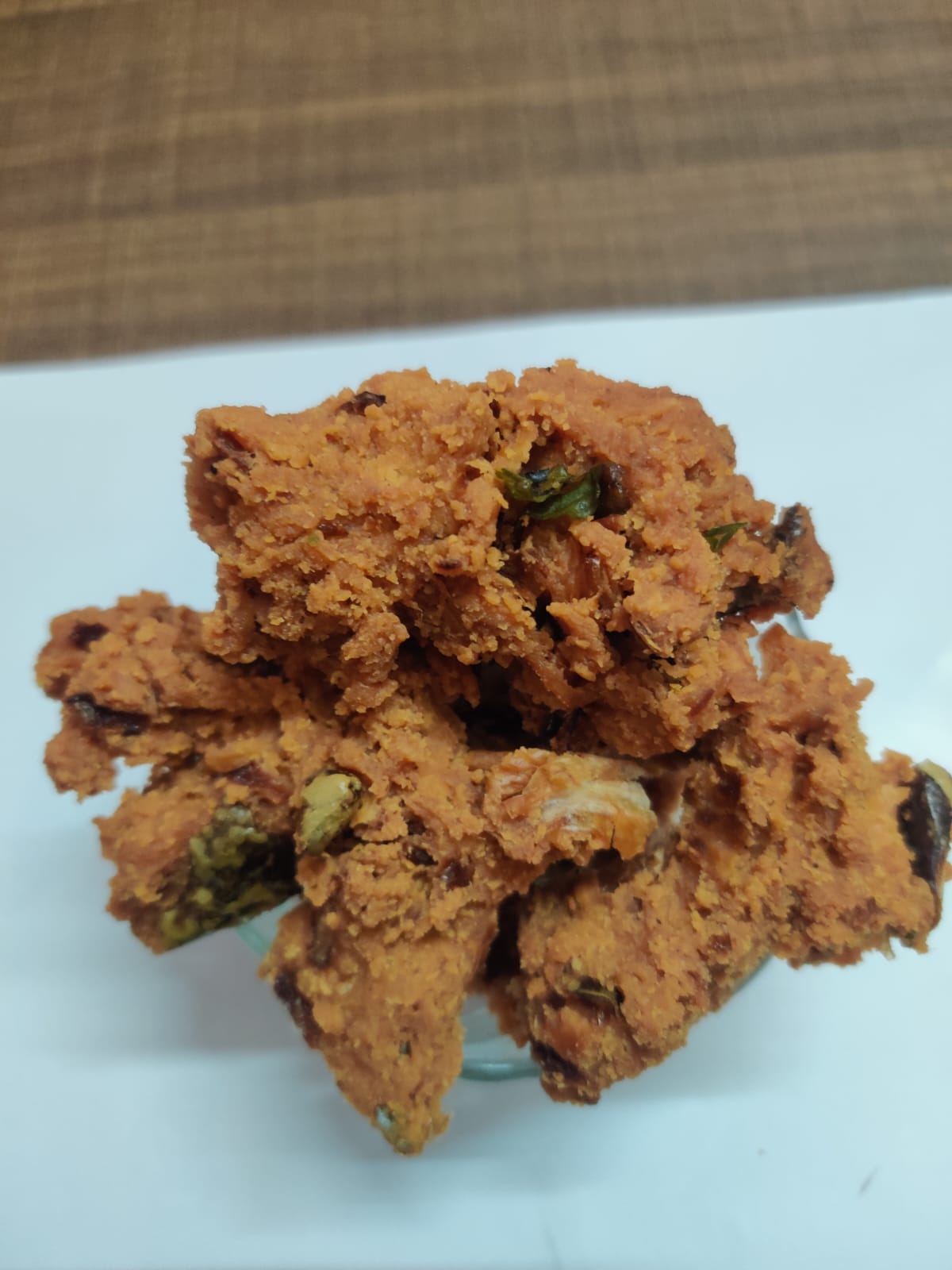
Ask anyone here and they will tell you: the monsoon is eating season. The first serious downpour of October triggers a reflex across Nagercoil — by half past four the tea stalls are crowded and the frying kadais are working double. Hot pakoda with strong tea is the non-negotiable pairing: rain hammering the awning outside, a paper-wrapped bundle of crisp, ginger-and-chilli pakoda steaming inside. At our own counter in Vadasery, evening pakoda sales jump the moment the sky darkens — sixty years on, the rain is still the best salesman our famous pakoda has ever had. Bajji, crisp vada, and hot jalebi complete the monsoon menu; the whole ritual is mapped in our guide to Nagercoil's evening tiffin culture.
Visiting During Monsoon: Pros & Cons
The case for coming: the district at its greenest, waterfalls on the Ghats fringe running full, thin crowds at Kanyakumari's viewpoints, softer hotel prices, and that unbeatable monsoon food culture. The case against: sunrise and sunset become a cloud lottery, the ferry to Vivekananda Rock suspends service when the sea turns rough, and October–November downpours can pin you indoors for an afternoon. Our advice as residents — come anyway, but build slack into the plan. Keep temple visits and food walks for the wet afternoons, hold the Cape for the clearest morning, and treat a rained-off sunrise as a licence for a second breakfast.
Frequently Asked Questions
Which months are monsoon in Nagercoil?
Nagercoil gets two monsoons. The southwest monsoon brings showers from roughly June to September, arriving early because the district sits beside Kerala. The northeast monsoon, from October to December, is the heavier one for Tamil Nadu and brings the district's most dramatic rain. January to March are the driest, clearest months.
Is monsoon a good time to visit Kanyakumari?
Yes, with caveats. The district is at its greenest, waterfalls near the Ghats are full, crowds are thin, and hotel prices drop. The trade-off is that sunrise and sunset views become a lottery under cloud, ferry services to Vivekananda Rock can pause when the sea is rough, and October–November brings the heaviest downpours. Carry an umbrella and keep plans flexible.
What do locals eat during the rains?
Hot, fried, and fresh from the kadai — that is the monsoon formula. Evening pakoda with strong tea is the classic pairing, along with crisp vada, bajji made from raw banana or chilli, and hot jalebi. Sweet shops and tea stalls across Nagercoil see their busiest evenings of the year when the rain sets in.
Hero image: McKay Savage from London, UK, CC BY 2.0, via Wikimedia Commons.
Monsoon Cravings, Sorted
Hot pakoda in the rain or a sealed pack for later — visit us on Asambu Road, Vadasery, or order on WhatsApp.
Call Now Order on WhatsApp