Direct Overview: Suchindram Margazhi Car Festival
What is the Suchindram Car Festival? It is the premier 10-day temple festival of Kanyakumari District celebrated annually during the Tamil month of Margazhi (December–January) at the Thanumalayan Temple. On the 9th day (Therottam / Ratholsavam), over 50,000 devotees pull three gigantic multi-story wooden temple chariots around the four Car Streets surrounding the holy temple tank.
1. Festival Highlights & Day-by-Day Calendar
- Day 1 (Kodiyetram): The sacred festival flag is hoisted atop the golden Kodimaram to herald the beginning of the 10-day Brahmotsavam amidst traditional nadaswaram and thavil music.
- Days 2 to 8 (Vahana Processions): Every morning and night, the Utsava deities of Lord Thanumalayan and Amman are taken out on majestic gold and silver mounts (Vahanas) including the Rishabha (Bull), Garuda, Indra Vimana, and Bootha vahanas.
- Day 9 (The Grand Car Festival / Therottam): The climax of the festival. At around 8:30 AM, after special abhishekams, the deities are ceremonially brought out and placed on the three colossal wooden chariots. Thousands of devotees grip thick coir ropes and pull the cars through East, South, West, and North Car Streets chanting "Govinda! Sthanumalaya!".
- Day 10 (Theppam / Float Festival): In the evening, the deities are placed on an illuminated floating raft (Theppam) and rowed around the sprawling Suchindram temple tank as fireworks illuminate the night sky.
2. The Three Colossal Chariots (Rathams)
The Suchindram temple cars are masterpieces of 17th-century woodcraft:
- Swami Ratham (Lord Shiva's Car): The tallest and heaviest car, soaring over 50 feet with traditional silk umbrellas and brass kalasams.
- Amman Ratham: Dedicated to Goddess Aram Valartha Nayaki, decorated with red silk hangings.
- Pillayar Ratham: The lead chariot dedicated to Lord Vinayaka (Ganesha) that leads the sacred procession.
3. Visitor Tips for December Travelers
- Arrival Time on Car Festival Day: Arrive at Suchindram before 7:30 AM to secure a vantage point along the Car Street balconies or near the Theppakulam tank.
- Traffic & Parking: On Therottam day, vehicles on the Nagercoil-Kanyakumari highway are diverted via alternate ring roads. Park at the designated municipal grounds outside Suchindram town and walk 500 meters to the temple.
- Combine with Sightseeing: After the morning car pulling, drive 10 minutes to Vattakottai Fort for golden hour by the sea, or visit our sweet stall in Vadasery. Also read our full Suchindram Architecture Guide.
4. The Engineering & Woodcraft of the Chariots
The three temple cars of Suchindram are constructed entirely from seasoned country timber including teak, rosewood, and Indian laurel (*Ilupai*). The colossal wooden wheels, standing over 8 feet in diameter and bound in thick iron rims, are designed to distribute thousands of tons of weight safely across stone-paved Car Streets.
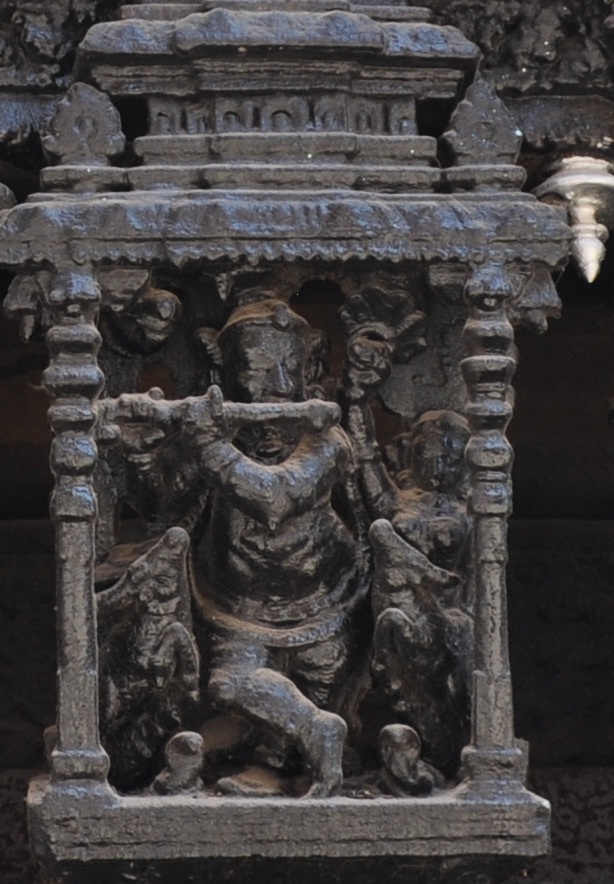
The tiered base (*Peedam*) of the Swami Ratham contains over 400 intricately carved wooden panels depicting celestial dancers (*Apsaras*), Gandharvas, Yalis, and narrative relief scenes from the Shiva Purana. Skilled traditional temple carpenters (*Sthapathis*) inspect, grease, and test the wooden axles for weeks before the festival begins.
5. Pilgrim Accommodation & Feast Day Protocol
- Where to Stay: Hotels in Nagercoil (7 km north) provide the best access, with regular government shuttle buses running every 5 minutes along NH44 directly to the Suchindram festival arch.
- Morning Chariot Pulling (08:30 AM): Devotees should arrive barefoot and wear traditional attire. Gripping the massive coir ropes to pull the chariot (*Vadam Pidithal*) is believed to wipe away karmic sins and bring prosperity.
- Prasadam Distribution: Free *Annadhanam* (temple meals) is served to over 25,000 pilgrims on Therottam day across community marriage halls and temple pavilions.
6. The Night Floating Raft Festival (Theppotsavam)
On the 10th and concluding night of the Margazhi festival, the Theppotsavam (Float Festival) takes place on the waters of the historic Suchindram temple tank. A magnificent floating wooden pavilion decorated with thousands of multi-colored electric lamps, fragrant marigold garlands, and silk flags carries the deities of Lord Shiva and Goddess Amman.
As the float is rowed three times around the central granite mandapam, traditional temple musicians perform classical ragas on Nadaswaram instruments from the raft, with sound echoing across the water to tens of thousands of devotees lining the stone steps of the tank.
7. Traditional Temple Town Hospitality
During the Margazhi festival, the entire town of Suchindram comes alive with traditional South Indian hospitality. Local households draw intricate, colorful rice-flour kolams in front of their doorways, distribute cool buttermilk (*Neermor*) and sweet jaggery water (*Panakam*) to visiting pilgrims, and host devotional music concerts in the temple mandapams.
8. Cultural Significance & Folk Performances
During the 10 days of the Margazhi festival, traditional folk performing artists from across southern Tamil Nadu perform Villu Pattu (bow-song storytelling), classical Carnatic vocal concerts, and Karagattam folk dances in the temple mandapams, celebrating the ancient spiritual heritage of the Ay and Travancore realms.
Festival Prasadam & Sweets from Vadasery
For sixty years, devotees attending the Suchindram Margazhi festival have made it a tradition to buy fresh Nei Laddu, Ghee Mysore Pak, and crispy Pakoda from RajaGopal Sweet Stall on Asambu Road, Vadasery, Nagercoil.
Call RajaGopal Sweet Stall Order on WhatsApp