For most of our lives, the two rocks off Kanyakumari were separate worlds. You took the ferry to Vivekananda Rock, walked the memorial, then looked across open water at the Thiruvalluvar Statue on its own islet — close enough to photograph, too far to reach. Since the end of 2024 that gap has a floor. The Kanyakumari glass bridge is India's first glass bridge built over the sea, and it has changed how a day at the Cape is spent. Our family has run a sweet stall in Vadasery, twenty kilometres up the road in Nagercoil, since 1965, and we have watched three generations of visitors work out the same trip.
Where the Bridge Actually Is (This Trips People Up)
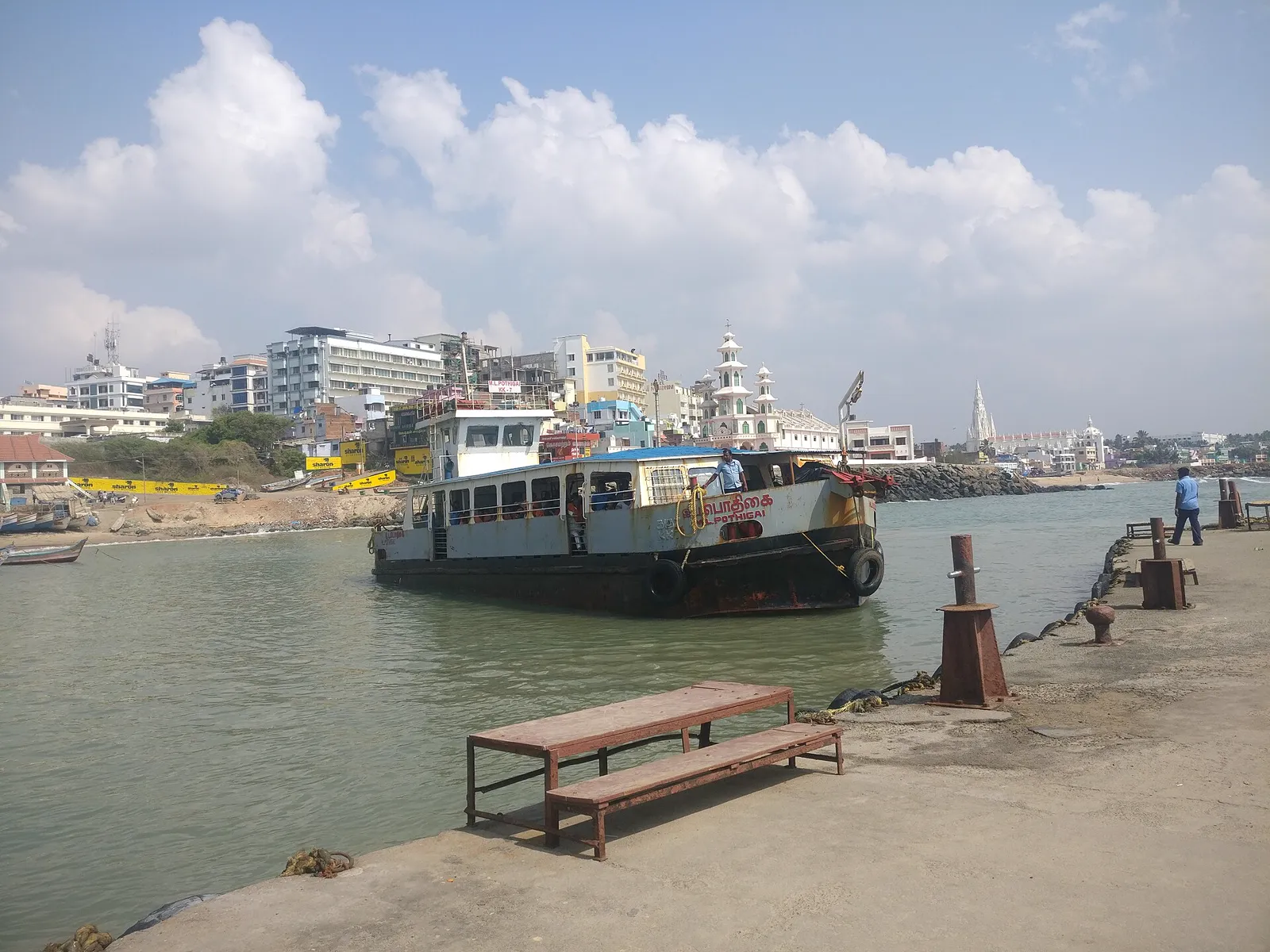
The most common misunderstanding, and the one that ruins people's plans: the glass bridge does not start from the shore. It is out at sea, joining the two offshore rocks to each other. You still take the ferry from the mainland jetty to Vivekananda Rock; the bridge begins there and carries you across to the statue's islet on foot. No ferry ticket, no bridge — there is nothing to reach from the beach except a very good view of it.
The structure is 77 metres long and 10 metres wide, built as a bowstring arch: the curved steel ribs rising over the walkway carry the load, which is why no piers stand in the water underneath. Marine-grade steel and multi-layered toughened glass were chosen to survive salt spray and the wind off three seas. The Tamil Nadu government built it at a cost of around 37 crore rupees.
Why It Was Built
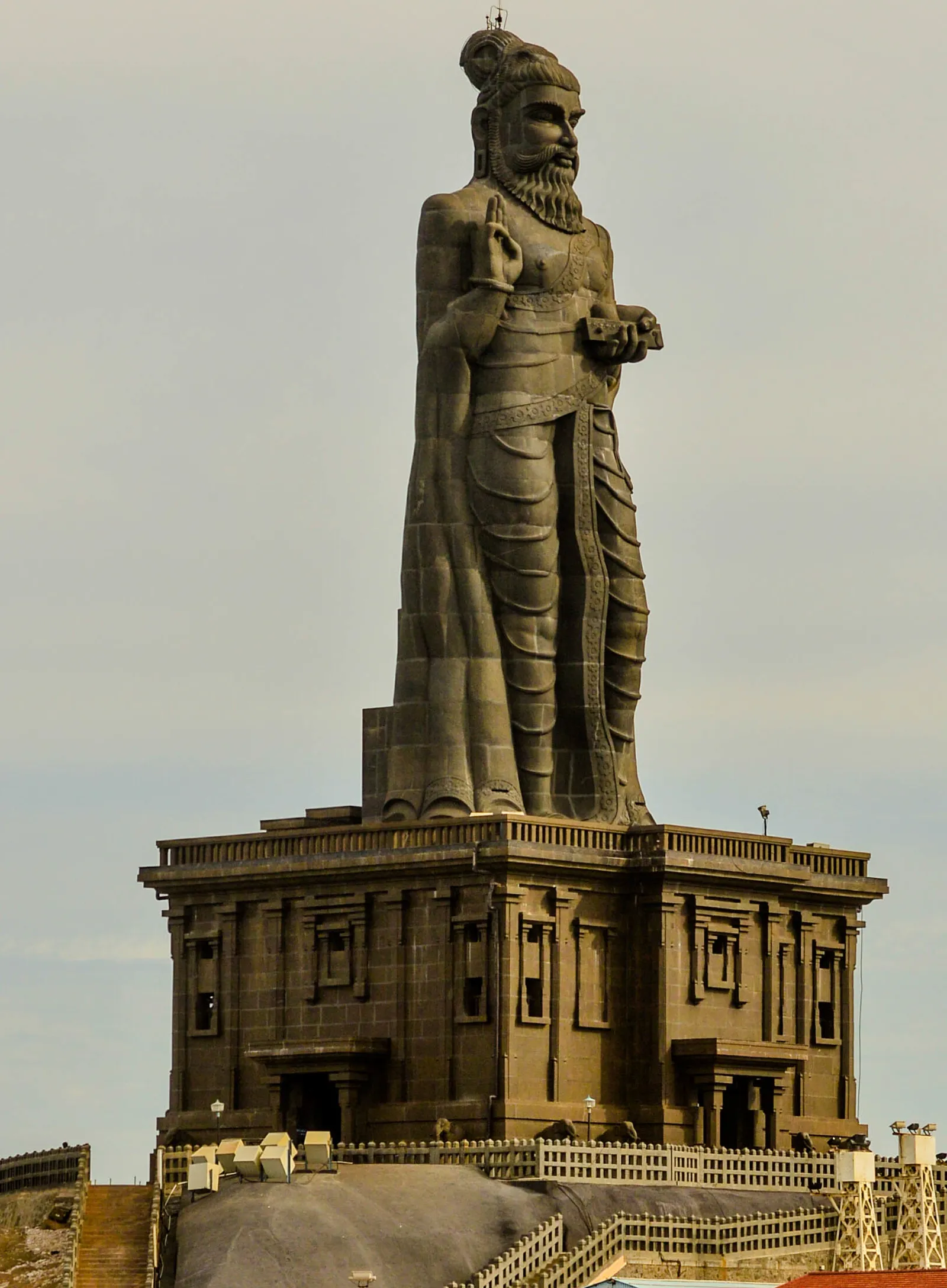
The bridge was inaugurated on 30 December 2024 by Tamil Nadu Chief Minister M. K. Stalin, and the date was not accidental: it marked the silver jubilee of the Thiruvalluvar Statue, unveiled offshore at the turn of the millennium. Twenty-five years of the poet standing in the sea with his back to the mainland, and linking him to Vivekananda's rock was the anniversary gift.
What it replaced explains why it feels like such an upgrade. Before, the statue was something you saw. Boats circled it, the memorial looked at it, every sunrise photograph used it as a silhouette — but very few visitors ever stood at its feet. The bridge turned a landmark into a destination without adding a single extra boat to already busy water.
What Walking It Actually Feels Like
Better than you fear and shorter than you expect. You come off the memorial into bright light, and the first steps onto the glass are the ones everybody hesitates over — a visible pause where people look down, look up, then walk. Underneath, the sea is not a flat blue postcard; it moves. Swell rolls through beneath the panels, and on a choppy day the water changes colour under your feet as you cross.
Ahead, the statue grows from a distant figure into something enormous. Behind, the memorial's twin roofs shrink against the mainland. Halfway across is the only place in Kanyakumari where you can stand still, on nothing you can see, with the whole cape in one view.
If heights bother you, that is no reason to skip it. The deck is 10 metres wide, and the solid margins along the sides are plenty to walk on without ever stepping on a transparent panel. Keep a hand on the rail, fix your eyes on the statue, and cross at your own pace; the people who struggle are the ones who stop dead in the middle and stare straight down. Children usually love it and adults usually go quiet. Wear something you can walk in — shoes come off at the memorial's shrine as at any temple, and the glass turns hot and glare-bright by mid-morning.
Tickets and Timings, Honestly
Two payments, not one. First the ferry from the mainland jetty, sold in a standard queue and a costlier priority queue — both put you on the same boat, so the extra money buys time, not comfort. Second, a separate and much smaller ticket for the bridge itself, bought at a counter on Vivekananda Rock after you land.
We are deliberately not printing exact rupee figures. Rates for both have been revised more than once since the opening, and the travel blogs quoting old numbers are why people arrive at the counter annoyed. Expect a moderate ferry fare, a modest add-on for the bridge, and confirm both on the day.
Timings work the same way: the bridge keeps the ferry's hours, because the ferry is the only way to reach it. Crossings generally start around 8 AM and the last outward boats go in the afternoon, with the ticket counter shutting earlier than the last sailing. Two local warnings. The sea decides — when the swell is up, especially in the monsoon months, sailings are suspended without notice and the bridge cannot be reached at all. And while the bridge is lit after dark with LEDs along its arch and looks superb, you are seeing that from the shore, not from on it, because crossings have long stopped. Do not plan to walk it at night.
Beating the Queue
This is the part that decides whether your day is pleasant. The ferry queue was long before the bridge existed, and the bridge has made it longer. Lines form well before the first boat, and on a peak weekend the wait to buy a ticket alone can run into hours.
What works: go on a weekday, and be at the counter before it opens rather than after. Avoid school holiday weeks, the Pongal and Diwali stretches, and full-moon weekends when the town fills up. If you are only here one day and it falls on a Saturday, treat the first boat as non-negotiable — that single decision is worth more than every other tip on this page.
Carry water and something to eat; there is no shade worth the name in that queue, and a daypack sitting in the sun for three hours rules out anything with chocolate or cream in it. What survives is what people here have always carried on boat days: Nendran banana chips, crisp in a sealed pack and salty in exactly the way you want after an hour in the sea wind.
The Best Light
Two windows. The first boats of the morning are the better bet: the light is soft and coming across the water rather than straight down, the glass has not yet turned into a mirror of white sky, the panels are clean, the deck is cool, and the crowd is thin enough that you can stop and look.
The second is late afternoon, on one of the last crossings, when the light warms and the statue's western face lifts into gold. Be honest about the clock, though — boats stop well before sunset, so late afternoon is as close to golden hour as you will get out there. The sunset itself belongs on the mainland, and the classic local move is to take that late crossing, come back in, and watch the sun go down from the shore with the bridge lighting up behind you.
Midday is the one to avoid: vertical sun turns the glass into a sheet of white reflection, the deck is hot, and the crowd is thickest.
How to Fit It Into Your Trip
The bridge slots neatly into the standard Kanyakumari day without displacing anything, as long as you keep the order. Sunrise on the shore first — it is fixed, it is free, and it is still the best thing in town. Then straight to the ferry queue for the rock, the bridge, and the statue as a single mid-morning block of two to three hours. Temples and lunch through the hot part of the day, and the coast in the late afternoon. Our one-day Kanyakumari itinerary lays that whole sequence out hour by hour.
If you have a second day, the pressure comes off entirely: do the bridge on a quiet morning and give the evening to the water, which is what our sunset boating guide is for, and spread the forts and temples across the rest — the two-day plan has the full version. Coming from further afield, the how to reach Kanyakumari guide covers trains into Nagercoil Junction and the road down; and if you would rather not deal with parking near the jetty at all, arranging a car and driver through one of the local tour packages is what most families here do.
Photography, From Someone Who Sees It Every Week
Shoot the glass early. After about ten in the morning the panels reflect sky, and your photograph of the sea underneath becomes a photograph of clouds. Get low — crouching puts the glass, the water and the statue in one frame, and it is the single shot that makes the bridge look like the bridge. Cup a hand or your phone case against the panel to kill the reflection when shooting straight down.
The best portrait spot is not on the bridge at all: it is on the memorial side looking back, with the arch curving away and the statue at the far end. And the picture most visitors miss entirely is from the mainland at dusk, near the sunset point, with the bridge lit and both monuments floating out in the dark.
Ending the Day
By the time you are back on the mainland, salted by sea wind and thoroughly out of water, it is usually late afternoon. If you are driving back north through Nagercoil, you will pass the Vadasery market stretch around the time the evening batches come out. Ours is one of the counters on Asambu Road, where RajaGopal Sweet Stall has stood since 1965, and a paper cone of hot pakoda at that hour is a fair reward for three hours in a ferry queue. Whatever you carry home, make it something from the district rather than a keyring — a sealed box of ghee sweets travels a great deal better than a seashell.
Frequently Asked Questions
How much does the Kanyakumari glass bridge ticket cost?
There are two payments, not one. First the ferry out to Vivekananda Rock, which has been sold in a standard queue and a costlier priority queue that boards the same boat. Then a separate, much smaller ticket for the glass bridge itself, bought at a counter on the rock after you land. Recent visitors have reported a modest fee of a few tens of rupees for the bridge on top of the ferry fare, but Tamil Nadu tourism revises these rates from time to time, so treat any figure you read online as indicative and confirm the current price at the counter on the day.
What are the Kanyakumari glass bridge timings?
The bridge keeps the ferry's hours, because the ferry is the only way to reach it. Boats generally begin running from about 8 AM and the last outward crossings leave in the afternoon, with the ticket counter closing earlier still. Sailings are also suspended whenever the sea is rough, which happens often in the monsoon months. Plan to be in the queue in the morning rather than testing the last boat, and check the day's timings at the jetty.
Is the Kanyakumari glass bridge safe, and is it scary?
It is engineered for the open sea — a bowstring arch in marine-grade steel with multi-layered toughened glass, built to take salt air and coastal wind. It is 10 metres wide, so there is plenty of solid deck away from the glass panels if you would rather not look down. The uneasy part is psychological, not structural: watching the swell move under your feet. Anyone who dislikes heights should walk the edges, keep a hand on the rail and look ahead at the statue rather than down.
When did the Kanyakumari glass bridge open?
It was inaugurated on 30 December 2024 by the Chief Minister of Tamil Nadu, M. K. Stalin, and opened to the public straight after. The timing was deliberate: it marked the silver jubilee of the Thiruvalluvar Statue, unveiled offshore at the turn of the millennium. It is India's first glass bridge built over the sea, 77 metres long and 10 metres wide, and cost about 37 crore rupees.
How long does a glass bridge visit take?
The walk itself is 77 metres and takes only a few minutes. The visit does not. Budget two to three hours from joining the ferry queue to stepping back on the mainland — longer on weekends and holidays, when the counter queue alone can run for a couple of hours. Most people combine the bridge with the Vivekananda Rock Memorial and the base of the Thiruvalluvar Statue in the same trip, which is the sensible way to spend the crossing.
Hero image: Darisi sumanth, CC BY-SA 3.0, via Wikimedia Commons.
Something for the Ferry Queue — and the Drive Home
Stopping through Nagercoil? Visit us on Asambu Road, Vadasery — or have fresh chips and sweets delivered to your city.
Call Now Order on WhatsApp