Direct Overview: What Is Omapodi (Ajwain Sev)?
Omapodi (also known as Oma Podi or Omam Sev) is a delicate, golden South Indian savory composed of hair-thin strands of gram and rice flour dough steeped in the medicinal aromatic essence of Omam (Carom Seeds / Ajwain). Extruded through a micro-perforated brass press directly into cauldrons of simmering cold-pressed groundnut oil, Omapodi is celebrated both as a comforting, melt-in-the-mouth tea-time savory and as an ancient Ayurvedic digestive aid served during opulent festive feasts.
In the vast pantheon of Indian street food and festive savouries, bold spices, fiery red chilies, and heavy garlic pastes often take center stage. But in traditional South Indian kitchens—and especially in our family sweet stall on Asambu Road in Vadasery since 1965—there is one savory whose genius lies in quiet, therapeutic elegance: Omapodi.
For generations of Tamil, Malayali, and Telugu households, the scent of steeping carom seeds on the stove signaled two joyful occasions: the dawn of Deepavali, where Omapodi is distributed alongside rich ghee sweets to aid digestion, or a quiet rainy afternoon where a warm cup of filter coffee called for a delicate, soothing companion.
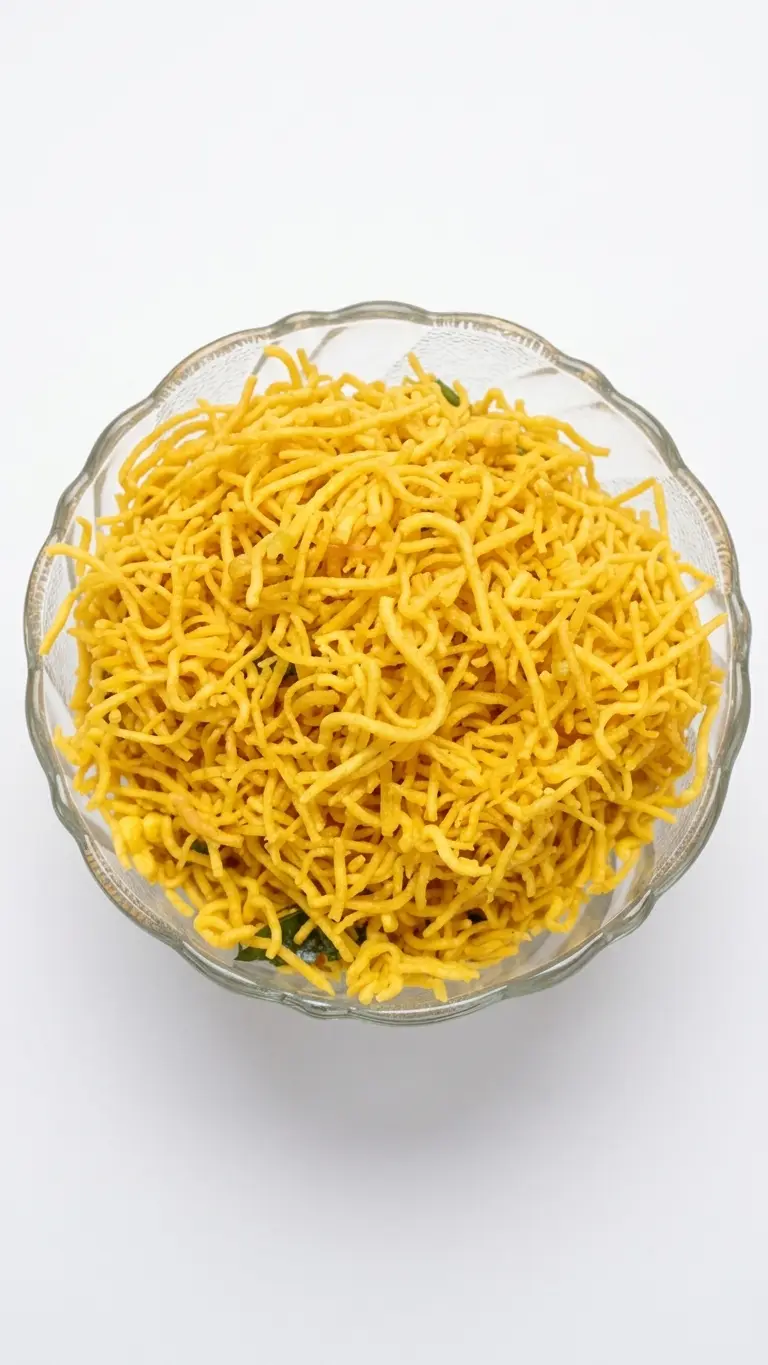
Golden ribbons of Omapodi: Infused with therapeutic omam (carom seed) and fried in cold-pressed groundnut oil.
The Ancient Science of Omam: Thymol & Digestive Ease
The name Omapodi is derived from two Tamil words: Omam (ஓமம் — carom seeds/ajwain, botanical name Trachyspermum ammi) and Podi (referring to the delicate crushed or extruded strands). In Indian culinary science, taste and therapeutic wisdom are never separated:
- The Power of Thymol: Carom seeds are rich in thymol, a powerful monoterpene that stimulates the secretion of gastric juices, accelerates digestion, and exhibits natural antibacterial and carminative (anti-gas) properties.
- The Festive Digestive Antidote: During Diwali, Pongal, and wedding celebrations, South Indians consume abundant quantities of decadent ghee sweets like Wheat Halwa, Mysore Pak, and Ghee Laddu. The traditional accompaniment to these heavy confections is always Omapodi. The carom seed essence ensures that the digestive fire (Jatharagni) remains balanced, preventing sluggishness and bloating.
- Comfort Food for Children & Elders: Because authentic Omapodi is made without red chili powder or harsh spices, it is gentle on sensitive stomachs. For decades, South Indian grandmothers have kept an airtight tin of fresh Omapodi ready for toddlers and elderly family members.
The Artisanal Craft of the 'Sev Naazhi' Brass Press
Creating Omapodi that dissolves instantly on the tongue requires a delicate balance of dough rheology and rapid frying:
- Steeping the Omam Water: Whole carom seeds cannot simply be thrown into the flour, as whole seeds would instantly clog the micro-perforations of the press. Instead, whole omam is crushed and soaked in warm water for hours, or ground into a paste with water and strained through triple-layered cheesecloth to yield a fragrant, golden elixir.
- The Flour Sieve: Gram flour (besan) and rice flour are sieved multiple times to eliminate any minute lumps. Soft butter or warm ghee is rubbed into the dry flours until the texture resembles fine breadcrumbs.
- The Continuous Swirl: The soft dough is loaded into a heavy heirloom brass extruder (Sev Naazhi) fitted with a disc containing hundreds of 0.8mm pinholes. The artisan holds the press directly above the simmering groundnut oil, turning the handle in steady, graceful spirals.
- The 40-Second Fry: Because the ribbons are gossamer-thin, they cook in just 35 to 45 seconds. The artisan flips the delicate lace raft once, lifts it with a slotted stainless steel skimmer the second bubbles subside, and drains it on wire racks. It emerges pale golden, never brown.
| Savory Style | Flour & Spice Base | Strand Thickness | Heat & Flavor Profile | Primary Culinary Role |
|---|---|---|---|---|
| South Indian Omapodi | Besan + Rice Flour + Strained Omam Water | Micro-fine (0.8mm - 1.0mm) | Herbal, aromatic, gentle, soothing | Digestive tea snack, mixture foundation, festival platter |
| Ratlami Sev (Madhya Pradesh) | Besan + Black Pepper + Clove + Hing | Thick (2.0mm - 2.5mm) | Extremely fiery, pungent clove bite | Poha topping, curry base (Sev Tamatar) |
| Bikaneri Bhujia (Rajasthan) | Moth Bean Flour + Besan + Red Chili | Fine to medium (1.2mm) | Spicy, dry, salty, earthy | Stand-alone teatime crisp, chaat garnish |
| Nylon Sev (Gujarat / Mumbai) | Pure Besan + Mild Salt + Zero Spice | Ultra-hairline (0.5mm) | Completely neutral, crisp texture | Sev Puri, Bhelpuri, and Chaat topping |
The Chemistry of Dough Tenderizing: Ghee vs. Butter vs. Hot Oil
In traditional South Indian confectionery, achieving a savory that holds its delicate shape in hot oil yet shatters effortlessly in the mouth is a delicate physics challenge. The moisture and fat balance dictates the final cell structure:
- The Role of Cold-Churned Cow Butter: Creaming room-temperature country butter (naattu vennai) into the dry sieved gram flour creates a protective lipid barrier around protein strands. When water is added, gluten formation is suppressed, ensuring the ribbons fry crisp rather than rubbery.
- The Ratio of Roasted Rice Flour: Adding 20% to 25% finely milled raw rice flour introduces crystalline amylose. This allows the omapodi to fry dry-to-the-touch without drinking excess groundnut oil.
- Dough Hydration Control: The dough must be significantly softer than Murukku dough. If the dough is too stiff, it will tear into ragged fragments as it leaves the 0.8mm brass die. If it is too wet, the ribbons will fuse into a greasy pancake in the oil. It must flow under gentle manual pressure with the consistency of smooth whipped clay.
Sweet Stall Batch Mastery vs. Home Cooking
While home cooks prepare Omapodi in small 200-gram batches, RajaGopal Sweet Stall produces large, continuous golden ribbons in deep cast-iron cauldrons holding 30 liters of cold-pressed groundnut oil. This industrial-artisanal scale delivers distinct quality advantages:
- Thermal Mass Stability: Sinking 500 grams of cold dough into a home skillet instantly drops the oil temperature by 30°C, causing the dough to soak up oil before the starch crust sets. In our large commercial vats, the enormous thermal inertia prevents temperature drops, ensuring instant flash-frying in under 40 seconds.
- Continuous Fresh Oil Replenishment: Commercial snack factories often reuse frying oils for days, generating toxic acrolein and oxidized free fatty acids. At our shop, fresh batches of cold-pressed groundnut oil are infused continuously, guaranteeing sweet, clean flavors with zero rancidity.
- Precision Straining: We use multi-stage mechanical sieves for our omam extract, removing 100% of abrasive micro-solids to allow continuous extrusion through micro-perforated dies without nozzle clogs.
The Secret Backbone of South Indian Mixture
If you have ever enjoyed a generous bowl of crunchy South Indian Madras Mixture, you may not have realized that Omapodi forms 60% of the blend's total volume. The delicate ribbons act as the golden matrix that binds together fried split Bengal gram, whole roasted peanuts, crispy puffed rice, golden boondi, and fried curry leaves.
Because Omapodi is so light and airy, it prevents mixture from feeling heavy or dense, allowing every handful to deliver a dynamic contrast of textures. Read our detailed cultural story in The Story of Omapodi.
Ayurvedic Heritage: Why Deepavali Morning Begins with Omam
In Tamil culture, Deepavali begins before dawn with an auspicious warm sesame oil bath (Ganga Snanam), followed immediately by two foods: Deepavali Marundhu (an herbal medicinal paste made with dry ginger, omam, black pepper, and honey) and a fresh tray of Omapodi. This ancient ritual pre-conditions the digestive tract before a full day of celebrating and consuming rich dairy confections.
Storage & Preserving Crispiness in Tropical Climates
Because Omapodi consists of millions of microscopic fried threads, its high surface-area-to-mass ratio makes it exceptionally sensitive to ambient humidity. Follow these preservation guidelines:
- Keep in Airtight Steel or Glass: Never store Omapodi in loose open paper bags in humid coastal areas like Kanyakumari. Transfer into airtight containers immediately upon unboxing.
- Avoid Direct Heat & Steam: Keep tins away from cooking stoves, boiling kettles, or direct sunlight.
- Pair with Other Dry Savouries: Omapodi pairs magnificently on an evening platter alongside crispy Nendran banana chips, Vadasery onion pakoda, and spicy Murukku.
Explore More Related Guides & Sweet Stall Specialties
- The Story of Omapodi: Childhood nostalgia and Vadasery market history.
- All Snacks in Nagercoil: Complete catalog of savories from RajaGopal Sweet Stall.
- Top 5 Traditional South Indian Crispy Snacks: The master ranking guide.
- Snack Storage & Shelf Life Guide: How to keep your savories fresh for weeks.
- Groundnut Oil Frying Tradition: Why cold-pressed oil is superior for digestive health.
Experience Pure, Melt-in-Mouth Omapodi Fresh from Vadasery
Order fresh golden Omapodi handcrafted with pure carom seed extract, organic gram flour, and cold-pressed groundnut oil. A comforting digestive tea-time savory packed in multi-layer fresh-lock bags.