Pick up two packets of banana chips — one from a supermarket shelf, one from an old market-town fryer — and the biggest difference between them is invisible. It is the oil. Nearly every large snack factory in India today fries in refined palm oil or palmolein; the old shops of towns like Nagercoil still fry in groundnut oil, the way the whole of Tamil country once did. This is the story of that split, and why it matters more to your snack than the recipe on the label.
Two Oils, Two Philosophies
Groundnut oil is the traditional pressing oil of the Tamil kitchen — made from peanuts grown across the southern districts, golden in colour, with a gentle nutty character and a high smoke point that makes it a natural frying oil. It is also, and this is the crux, comparatively expensive.
Palm oil is the industrial answer: imported at scale, roughly half the price, neutral to the point of tastelessness, and — crucially for factories — very slow to go rancid. A snack fried in palmolein can sit in a distribution chain for months and still taste of nothing in particular, which from a factory's point of view is a feature. The two oils represent two different ideas of what a snack is: something made to be eaten this week, or something made to survive a warehouse.
What Groundnut Oil Does to Flavour
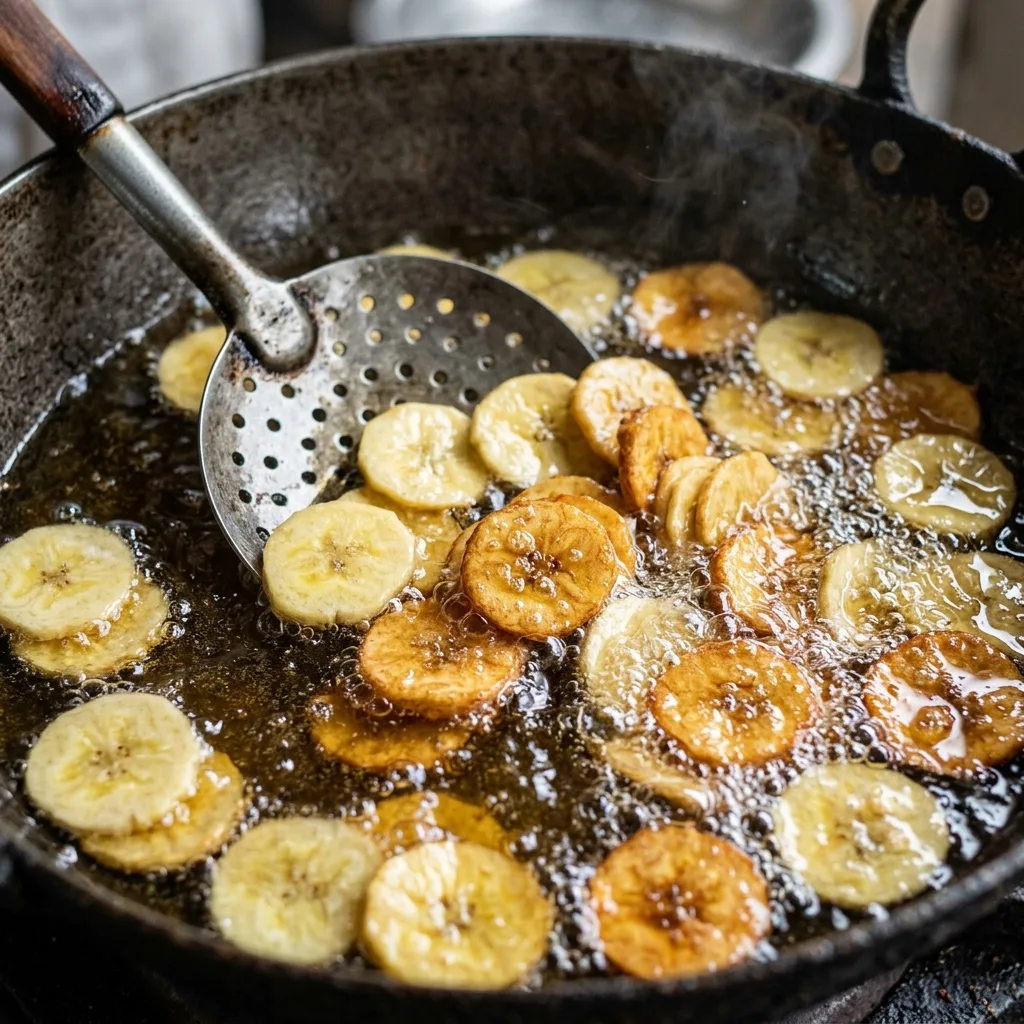
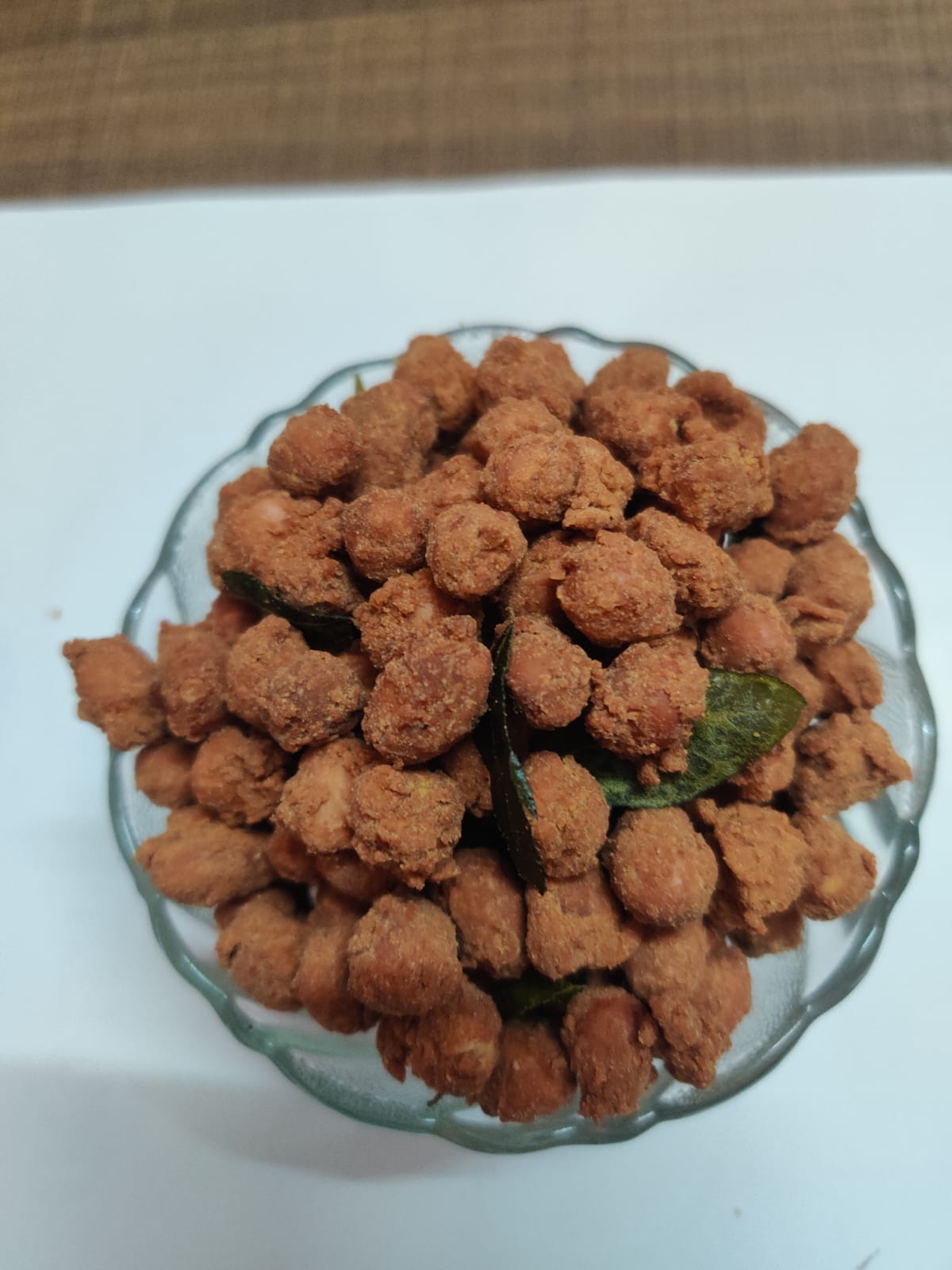
Frying is not just cooking; the oil becomes an ingredient. Groundnut oil brings a light roasted sweetness that flatters everything this region fries — it deepens the natural sugar of Nendran banana slices, sharpens the spice of masala kadalai, and gives besan snacks like pakoda and kara sev their proper savoury finish. Because it stays liquid at room temperature, it also eats clean: the crunch, then nothing, with no waxy film left behind.
Palm oil does the opposite. It solidifies as it cools, which is the greasy coating you feel on mass-market chips, and it contributes no flavour of its own — so factories compensate with heavier salt and flavour powders. Once you have tasted the two side by side, you can never mistake them again.
Why Most Factories Switched — and Some Shops Didn't
The switch happened for honest commercial reasons. From the 1990s onward, cheap imported palm oil let packaged-snack brands cut costs and stretch shelf life from days to months, and once national distribution entered the picture there was no going back. No factory shipping chips across five states can afford an oil that asks to be eaten fresh.
A market-town shop faces none of those pressures. When everything on the counter is fried the same day it is sold, shelf life is irrelevant and flavour is the whole business. That is why our kitchen has fried in groundnut oil since 1965 — the same choice our founder made, kept for the simple reason that our customers would notice the change in one bite. You can see the full routine, kadai to packet, in how our banana chips are made; the fruit side of the story is in our guide to the Nendran bananas of Kanyakumari.
How to Tell What Your Snack Was Fried In
You do not need a laboratory — three quick checks settle it. Smell the open packet: a faint roasted-nut aroma means groundnut oil; a flat, slightly waxy smell means palm. Touch a chip and then rub your fingers: palm oil leaves a solid greasy film at room temperature, groundnut oil barely a trace. Taste and wait: a groundnut-fried snack finishes clean, while a palm-fried one coats the roof of your mouth. Run the test on proper Nagercoil banana chips against any national brand and the split this article describes becomes something you can feel. The same holds across the whole range of traditional Nagercoil snacks — murukku, mixture, kara sev — because the oil, not the shape, is what the old tradition actually protects.
Frequently Asked Questions
Is groundnut oil better than palm oil for frying?
For flavour, clearly yes. Groundnut oil has a high smoke point, fries clean, and adds a light nutty sweetness that suits banana chips and besan snacks. Palm oil wins only on cost and shelf stability, which is why factories prefer it. Traditional South Indian kitchens have always ranked groundnut oil among the best everyday frying oils.
How can I tell if chips were fried in groundnut oil?
Use three checks. Smell first: groundnut oil leaves a faint roasted-nut aroma, while palm oil smells flat or waxy. Then touch: palm-fried snacks leave a greasy film on your fingers at room temperature because the oil solidifies. Finally taste: groundnut-fried chips finish clean, with no coating left on the roof of your mouth.
Why do traditional shops use groundnut oil?
Because their recipes were built on it. Groundnut was the everyday pressing oil of Tamil country long before refined palm oil arrived, and old shops that sell snacks made to be eaten within days rather than months never had a reason to switch. The flavour their customers remember is the flavour of groundnut oil, and changing the oil would change the snack.
Taste the Groundnut Oil Difference
Banana chips, murukku, and mixture fried in pure groundnut oil the day we pack them — order from our Vadasery kitchen.
Call Now Order on WhatsApp