Close your eyes and think of that unmistakable festive morning in a South Indian home. Before the sun has cleared the coconut fronds, the kitchen is already alive. There is the rhythmic clinking of heavy brass, the gentle crackle of hot oil, and then — suddenly, undeniably — that intoxicating, warm herbal perfume of steeped omam (ajwain / carom seeds) blooming in hot groundnut oil. That single aroma has a way of stopping time. It is the unmistakable greeting of Omapodi.
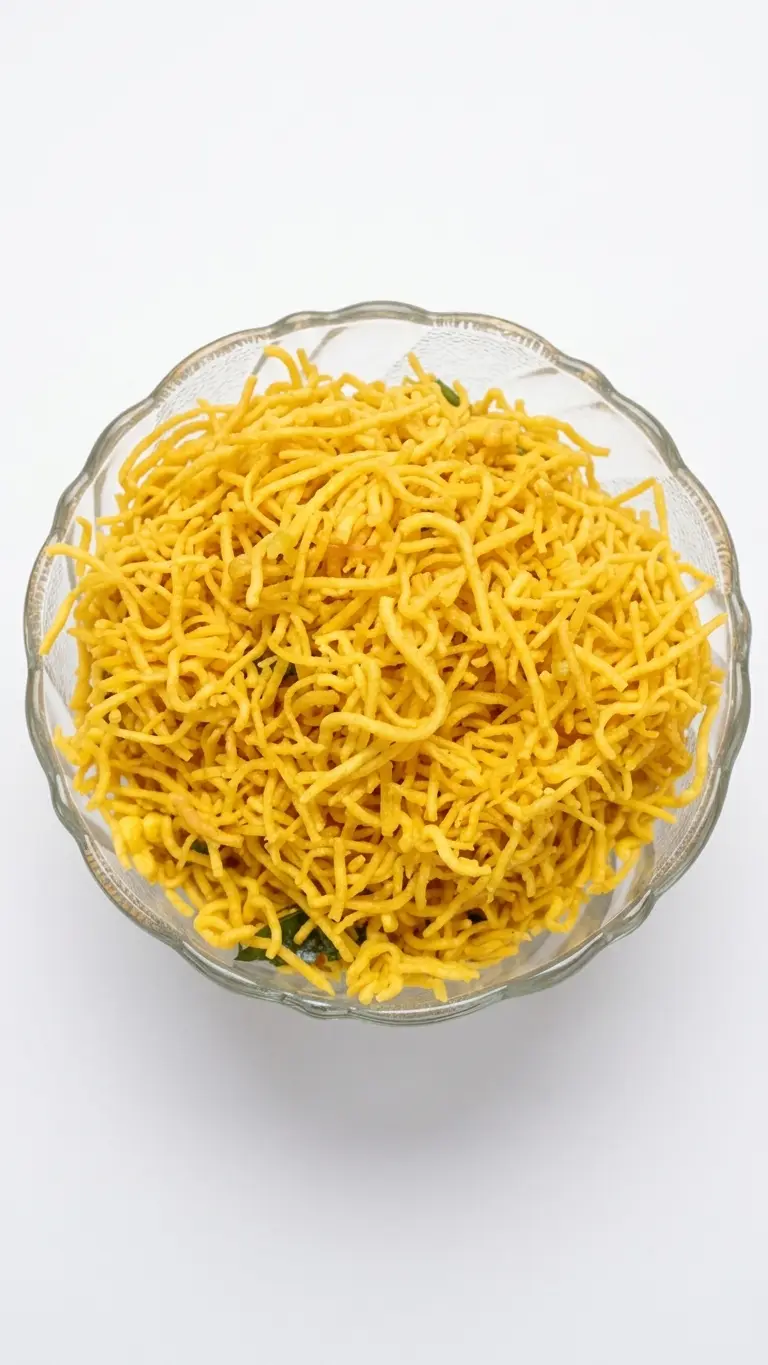
The Memory in Every Golden Handful
For generations across Tamil Nadu and South India, Omapodi (often written as Oma Podi or Omam Sev) has never been merely a snack. It is an emotional anchor. It is the tall, gleaming stainless steel dabba (tin) sitting on the top shelf of your grandmother's pantry. It is the sound of sneaking into the kitchen after school, twisting open the airtight lid, and scooping out a delicate handful of golden mesh.
Unlike the assertive, bone-shattering crunch of Vadasery onion pakoda or the sharp snap of Nendran banana chips, Omapodi offers something far gentler. You place a cluster of fine golden strands on your tongue, press gently against the roof of your mouth, and within a single second, the delicate ribbons collapse, releasing a soothing burst of nutty chickpea flour, rich butter, and that signature, warm, peppery kiss of carom seeds. It is crisp, yet it dissolves like a whisper.
What Makes Omapodi So Unique?
While every culinary culture in India boasts some form of fried chickpea flour noodle — from Gujarat's mild *Gathiya* to Indore's spicy *Ratlam Sev* and Bikaner's fiery *Bhujia* — South India's Omapodi is in a league of its own. It is defined by three fundamental principles:
- The Pure Herbal Soul (Omam): It relies not on red chili powders or heavy garam masalas, but on the delicate, essential-oil-rich infusion of steeped carom seeds (ajwain), accompanied only by a whisper of asafoetida (hing) and sea salt.
- Feather-Light Texture: Extruded through an ultra-fine perforated brass disc (*omapodi achu*), the strands are barely thicker than silk thread, allowing them to cook through in just 50 to 60 seconds without absorbing excess oil.
- The Digestive Heritage: Crafted as both a culinary delight and an Ayurvedic digestive aid, it was designed specifically to comfort the stomach after indulgence.
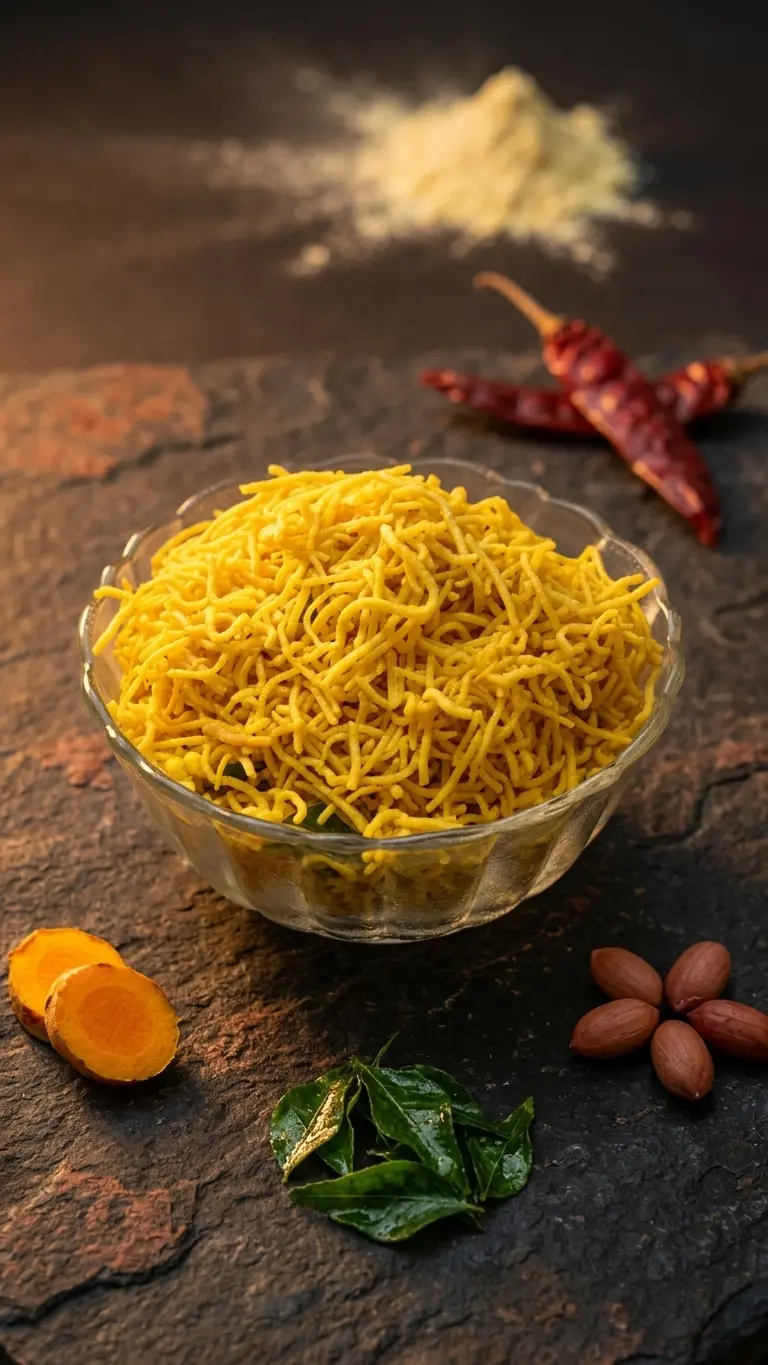
The Ancient Wisdom of *Omam*: South India's Digestive Elixir
Why did our ancestors insist on infusing a fried snack with carom seeds? The answer lies in the profound food wisdom of traditional South Indian kitchens.
In Tamil households, Omam is synonymous with healing. New mothers are given omam water (omam theertham); colicky babies have their foreheads soothed with warm ajwain steam; and festive feasts loaded with rich ghee sweets like ghee laddu and Mysore pak are always balanced by a generous helping of Omapodi.
Carom seeds are packed with thymol, a potent natural compound that stimulates gastric enzymes, relieves bloating, eases digestion, and cleanses the palate. When you eat Omapodi, you aren't just enjoying a savory crunch — you are partaking in a 1,000-year-old culinary practice designed to keep the body balanced and light.
The Secret Technique: How the Master Craftsman Makes It
Ask any seasoned *halwai* in Vadasery and they will tell you: Omapodi looks simple, but it forgivingly exposes any shortcut. Here is the meticulous sequence our family has followed at RajaGopal Sweet Stall since 1965:
1. The Pure Omam Water Extraction
Whole, high-grade carom seeds are coarsely crushed and steeped in warm water for hours to draw out their fragrant essential oils. The infusion is strained through fine muslin cloth. We never use whole seed grit in the dough — only the pure, golden herbal nectar passes through, ensuring the ribbons remain silken and smooth.
2. The Silken Flour & Butter Blend
Superfine Bengal gram flour (kadalai maavu) is sifted together with a precise ratio of raw rice flour (for that micro-crisp snap), a generous pinch of asafoetida (perungayam), and softened country butter or hot groundnut oil. The strained omam water is gradually incorporated until a pillowy, pliable dough is formed.
3. The Brass Press & The 60-Second Fry
Loaded into a heavy traditional brass press fitted with tiny sieve holes, the master fryer makes swift, circular motions directly over a wide, simmering kadai of 100% pure cold-pressed groundnut oil. The fine strands form an intricate, floating lace. It is turned once and lifted out in under 60 seconds before it even thinks of turning brown.
4. The Crackling Curry Leaf Finish
Freshly plucked green curry leaves (karuveppilai) are flash-fried in the same oil until translucent and brittle as glass, then tossed into the warm Omapodi nest. The herbal aroma of ajwain married with roasted curry leaves is pure sensory poetry.
Why Cold-Pressed Groundnut Oil Makes All the Difference
In mass-manufactured snacks, commercial producers often use refined palm oil or reused vegetable fats. This coats the fine strands with a heavy, greasy film that turns rancid within days and masks the subtle aroma of ajwain.
At RajaGopal Sweet Stall, we remain fiercely committed to our cold-pressed groundnut oil tradition. Pure groundnut oil possesses a clean, nutty profile and a high smoke point. It cooks the fine besan strands instantaneously without soaking into their core. The result? You can eat a whole bowl of Omapodi and your fingertips will remain completely clean and dry — not an ounce of grease or heavy aftertaste.
The Soul of Festive Celebrations & The 4 PM Chai Ritual
In South India, no festive *bakshanam* platter is ever complete without Omapodi:
- Diwali & Krishna Jayanthi: It is the first savory prepared on festival eve, its comforting scent filling the house as children eagerly wait for the first broken edge.
- The Heart of South Indian Mixture: Omapodi forms the golden, crunchy foundation of authentic Madras and Nagercoil Mixture, binding roasted peanuts, fried cashews, kara boondi, and curry leaves into harmony.
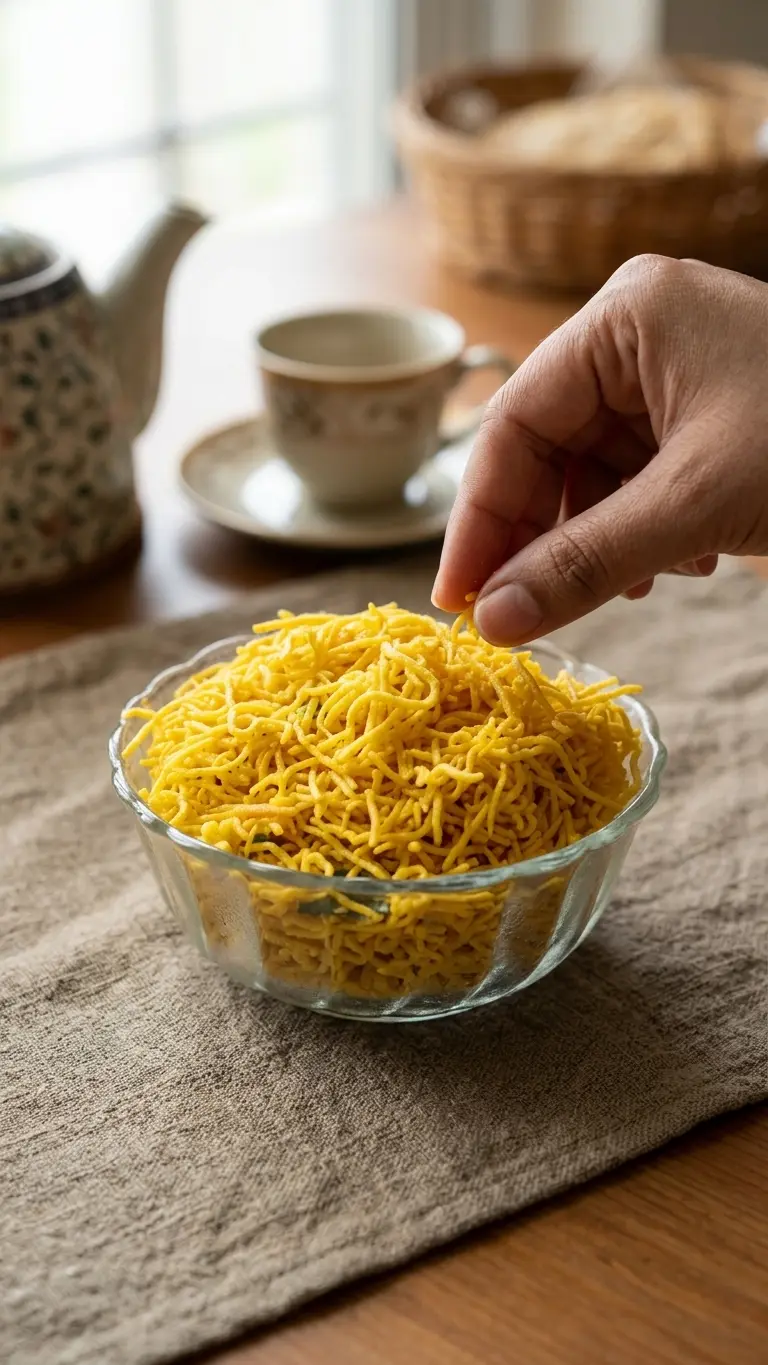
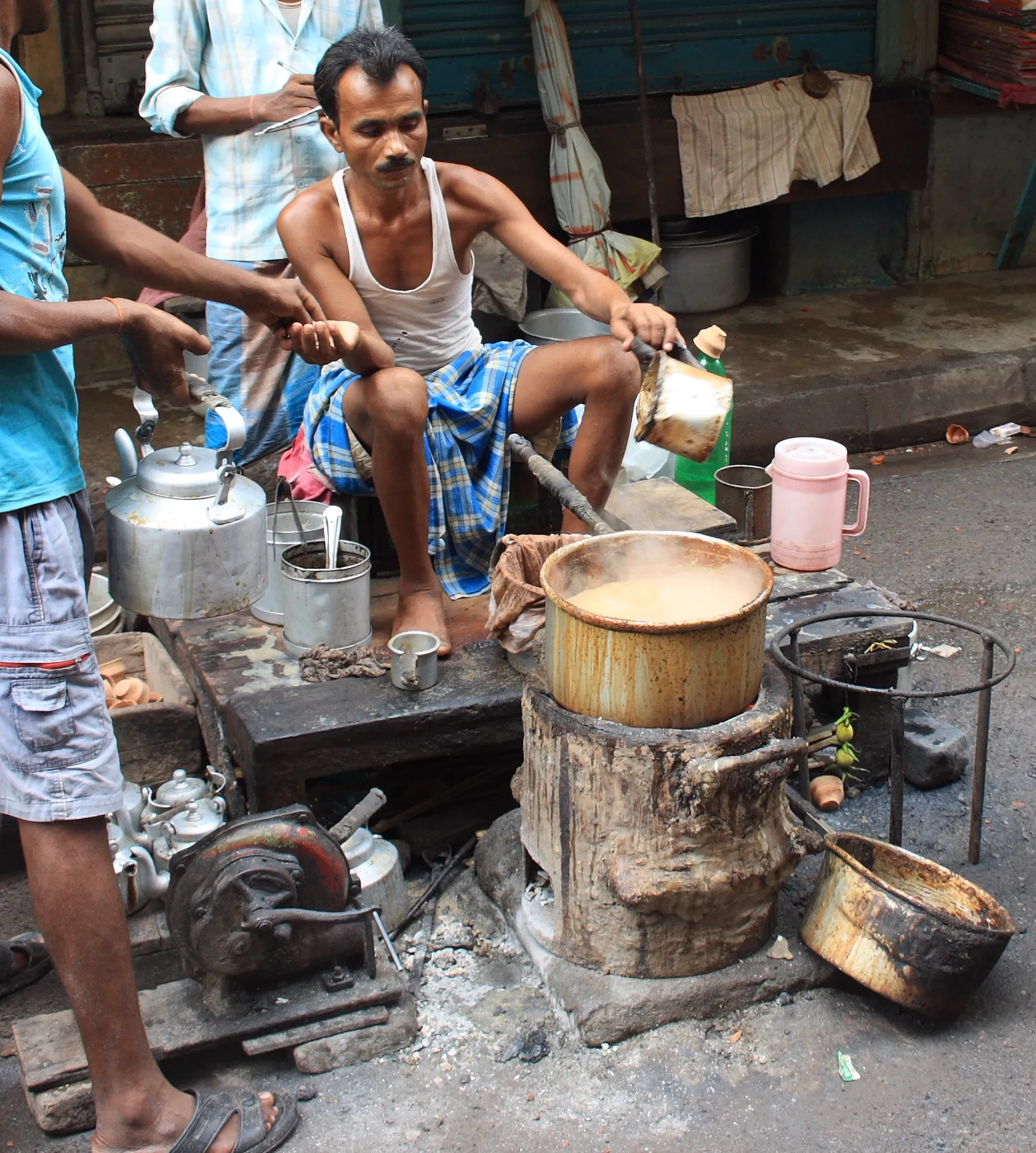
- The 4 PM Tiffin Ritual: Pair a small bowl of Omapodi with a piping hot brass tumbler of frothy degree filter coffee or ginger tea on a rainy afternoon in Kanyakumari, and you have discovered one of life's purest pleasures.
- The Ultimate Chaat Topper: Sprinkle a generous handful over homemade curd vada, bhel puri, or sev puri for an instant gourmet lift.
Interactive Product Close-Ups
Explore high-resolution photographs of our handcrafted Oma Podi, captured fresh from our Vadasery kitchen:
Our Signature Oma Podi Gallery
Taste the Vadasery Difference — Shipped to Your Door
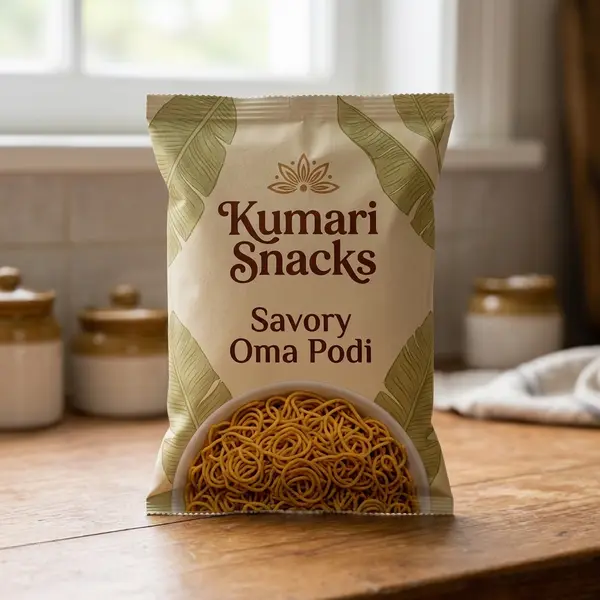
Whether you are sitting in Chennai, Bengaluru, Mumbai, or Delhi, a packet of fresh Kumari Snacks Omapodi brings the warmth and nostalgia of a Nagercoil home straight to your doorstep. We pack our snacks in food-grade, multi-layer barrier zip pouches within hours of frying so that when you break the seal, that intoxicating aroma of steeped ajwain fills your living room just like it did decades ago.
Frequently Asked Questions
What is Omapodi made of?
Omapodi is made from high-grade Bengal gram flour (besan), a touch of rice flour for crispness, pure steeped carom seed (omam) water, asafoetida (hing), butter or hot oil, salt, and fried in 100% pure cold-pressed groundnut oil. It is finished with flash-fried crisp curry leaves.
Why does Omapodi melt in the mouth unlike regular sev?
The melt-in-the-mouth texture comes from two factors: the precise proportion of fine besan to butter/fat, and the ultra-fine perforated disc used to press the dough. The microscopic ribbons fry instantaneously in light groundnut oil, creating an airy, delicate structure that collapses with gentle pressure on the tongue.
Is Omapodi good for digestion?
Yes! Carom seed (omam / ajwain) is prized in Indian culinary and Ayurvedic traditions for its digestive properties. The active compound thymol eases stomach discomfort, aids gastric secretion, and prevents heaviness, making Omapodi both delicious and gentle on digestion.
How do you deliver Omapodi across India without it crushing?
We pack our Omapodi in thick, multi-layer barrier pouches with cushioned protective outer boxing. This protects the delicate ribbons from transit impacts, ensuring you receive crisp, intact, aromatic Omapodi wherever you are in India.
Bring Home the Taste of Nostalgia
Order fresh Oma Podi, Nendran Banana Chips, and Pure Ghee Sweets handcrafted on Asambu Road, Vadasery since 1965.
Call Now Order on WhatsApp