Direct Overview: The Shivalaya Ottam Tradition
Every year during Maha Shivaratri, Kanyakumari district witnesses a spiritual phenomenon unique to South Asia: the Shivalaya Ottam (literally 'The Shiva Temple Run'). Tens of thousands of devotees, clad in saffron or white dhotis and carrying palm-leaf fans (*Visiri*), run barefoot across 12 ancient Shiva temples covering an 80 to 110-kilometer circuit in under 24 hours. Throughout the trek, runners chant "Govinda... Gopala..."—a Vaishnavite chant resonant within Shaivite sanctuaries—symbolizing the philosophical unity of Shiva and Vishnu (Hari-Hara union).
1. The Sacred Mythological Origin: Bhima & Purushamriga
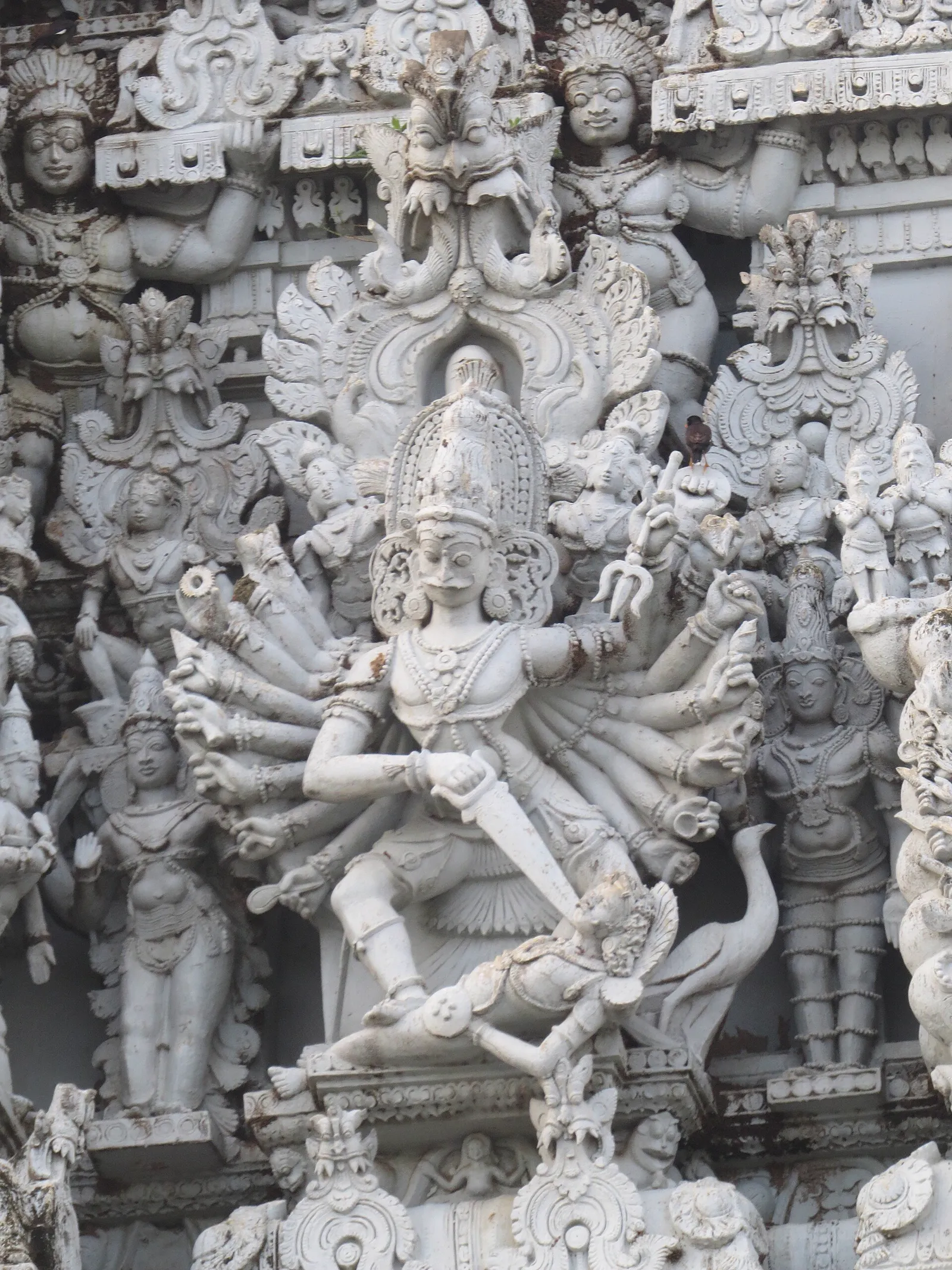
The legend of the Shivalaya Ottam traces back to the Mahabharata. When the Pandavas were preparing to conduct the grand Rajasuya Yajna, Yudhishthira needed the sacred presence of Purushamriga—a mythical, devout creature possessing half-human and half-lion form, renowned as an ardent devotee of Lord Shiva.
Bhima set out to invite Purushamriga to Hastinapur. To protect himself from the creature's immense speed and power, Lord Krishna gifted Bhima twelve sacred Rudraksha beads. Krishna instructed Bhima: whenever Purushamriga gained on him, he should drop a bead on the ground.
Each time Bhima dropped a Rudraksha bead, it instantly manifested as a Shivalinga. Purushamriga, compelled by his devotion, stopped each time to offer elaborate worship, allowing Bhima to run ahead. At the twelfth spot (Thirunattalam), Purushamriga caught Bhima just as his right foot stepped across the border. Lord Krishna appeared before them as Sankaranarayanan (half Shiva, half Vishnu) to resolve the dispute, declaring that both Shaivite and Vaishnavite paths lead to the same liberation.
2. The 12 Temples in Strict Pilgrimage Sequence
The ritual pilgrimage must be observed in this exact historical order:
| # | Temple Name | Location / Taluk | Distance from Start | Significance |
|---|---|---|---|---|
| 1 | Thirumalai Mahadevar Temple | Munchirai | 0 km (Starting Point) | Devotees take holy dip in Thamirabharani river before commencement |
| 2 | Thikkurichi Mahadevar Temple | Thikkurichi | ~12 km | Set along the scenic bank of the Thamirabharani river |
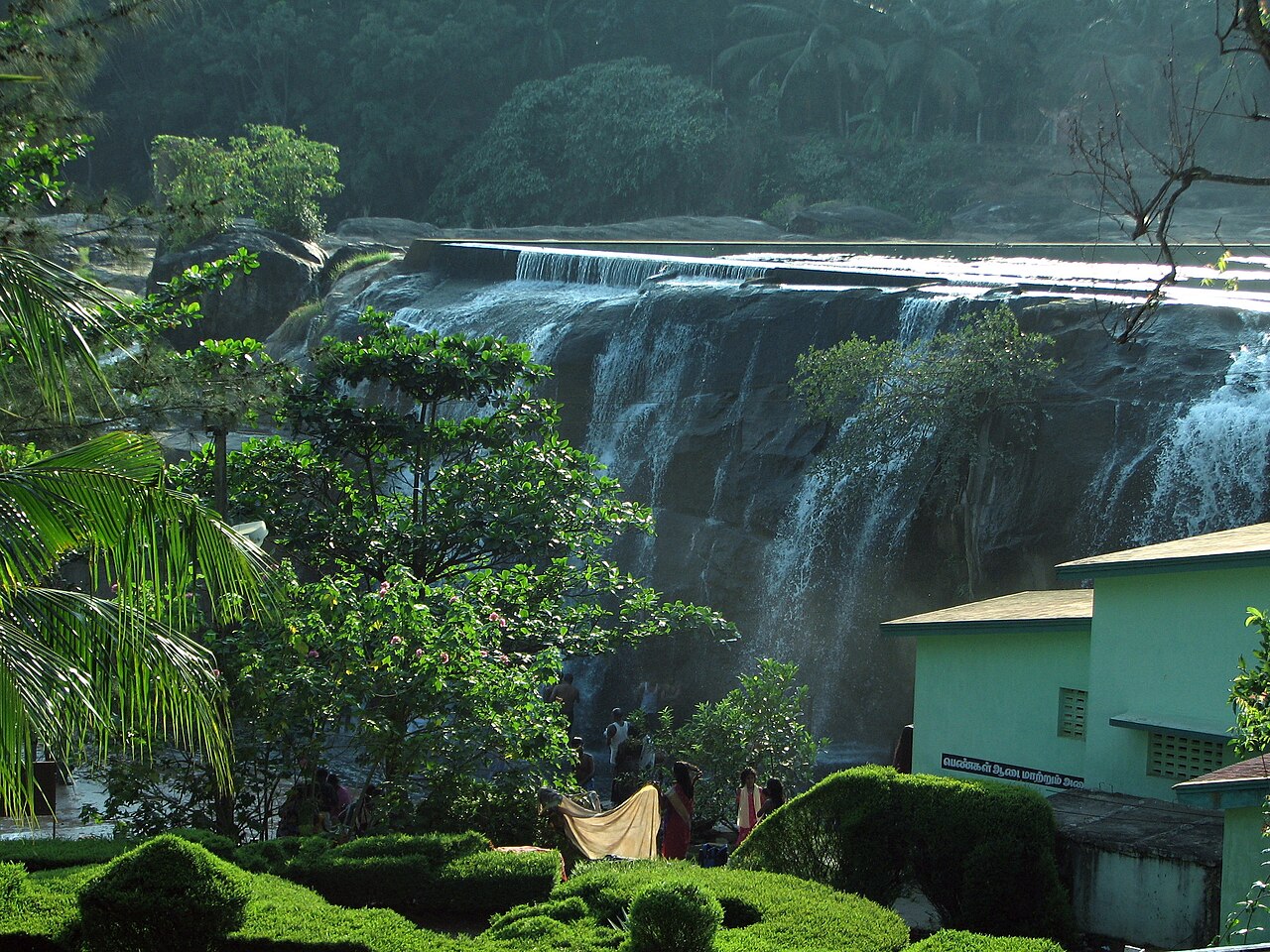
| 3 | Thirparappu Veerabhadreswarar | Thirparappu | ~26 km | Sanctuary situated directly beside the roaring Kodayar waterfall |
| 4 | Thirunanthikarai Nandeeswarar | Thirunanthikarai | ~38 km | Ancient 9th-century rock-cut cave temple and stone inscriptions |
| 5 | Ponmanai Thimbileshwarar | Ponmanai | ~46 km | Quiet village shrine surrounded by rubber groves |
| 6 | Pannippagam Mahadevar | Pannippagam | ~54 km | Midpoint of the circuit; devotees receive sacred holy ash |
| 7 | Kalkulam Neelakandeswarar | Padmanabhapuram / Thuckalay | ~62 km | Historic temple inside the outer fortress of Padmanabhapuram Palace |
| 8 | Melancode Kaalakaalar | Melancode | ~68 km | Dedicated to Shiva as the conqueror of death (Kaalasamhara) |
| 9 | Thiruvidaicode Mahadevar | Thiruvidaicode | ~73 km | Historic shrine with ancient granite carvings and temple tank |
| 10 | Thiruvithancode Neelakanda Swamy | Thiruvithancode | ~80 km | Historic seat of the early Venad rulers |
| 11 | Thirupanthicode Mahadevar | Thirupanthicode | ~88 km | Penultimate shrine; last station for holy ash (*Thiruneer*) |
| 12 | Thirunattalam Sankaranarayanan | Thirunattalam | ~96 km (Final Destination) | The pilgrimage concludes; devotees receive holy sandal paste (*Chanthanam*) |
3. Ritual Protocol & The Vow of Completion
The observance of Shivalaya Ottam requires strict spiritual discipline:
- The Holy Ash (Thiruneer): At the first 11 temples, devotees receive sacred white ash (*Vibhuti*) from the priests, which is smeared across the forehead and chest.
- The Sandal Paste (Chanthanam): At the 12th temple in Thirunattalam, the priests distribute holy sandal paste. Devotees apply this paste over the ash, marking the successful completion of the spiritual vow.
- Fasting & Diet: Runners consume only tender coconut water, tender plantains, and holy water throughout the 24-hour trek, resting only briefly under temple trees.
Book a 12-Temple Pilgrimage Cab
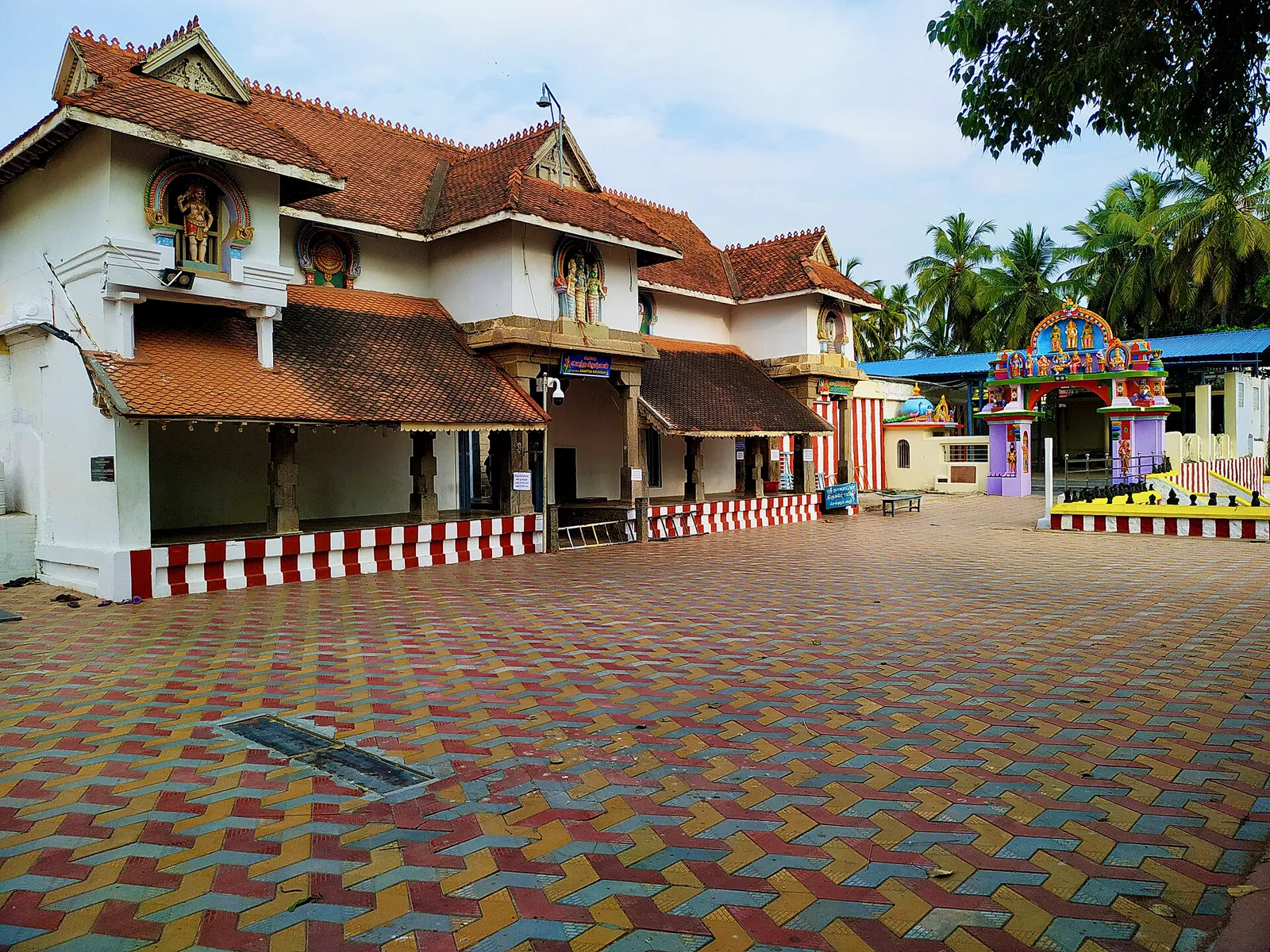
Visiting all 12 Shivalaya temples on your own can be challenging due to narrow village roads and intricate rural shortcuts. Our knowledgeable local drivers navigate the entire 12-temple sequence smoothly in a comfortable AC Sedan or SUV.
 Pure Cow Ghee Prasadam Laddu
How to Do the Circuit as a Tourist / Pilgrim (By Car)
- Best Time: While the festival takes place during Maha Shivaratri (February/March), the temples remain open for daily darshan throughout the year. The cooler months between October and February offer the most pleasant weather.
- Total Drive Time: Approximately 7 to 9 hours by car, including 20 to 30 minutes of darshan time at each shrine.
- Start Early: Depart Nagercoil by 6:00 AM to reach the first temple at Thirumalai by 7:00 AM before the morning puja concluding rites.
- Dress Code: Traditional South Indian temple attire is mandatory. Men: Dhotis without shirts; Women: Saris or modest churidars.