Quick Answer: Why Nagercoil Is Famous for Banana Chips
Nagercoil banana chips are famous because four things meet in one small town: the Nendran plantain farms of the Kanyakumari and Kerala border, the Tamil groundnut-oil frying tradition that produces a lighter, longer-lasting chip than Kerala's coconut-oil style, a century of pilgrim and rail traffic through Nagercoil Junction that carried the chips home to every corner of Tamil Nadu, and family sweet stalls in Vadasery, RajaGopal Sweet Stall among them since 1965, that never switched to palm oil or machines.
Nagercoil is not a large town. It has no beach of its own, and most travellers pass through it on the way to Kanyakumari without stopping. Yet say "Nagercoil" to anyone from Chennai, Madurai or Coimbatore and the word that follows is almost always "chips". This article explains how that happened, and why the reputation is deserved rather than a marketing story.
1. Geography: The Town Sits on the Nendran Belt
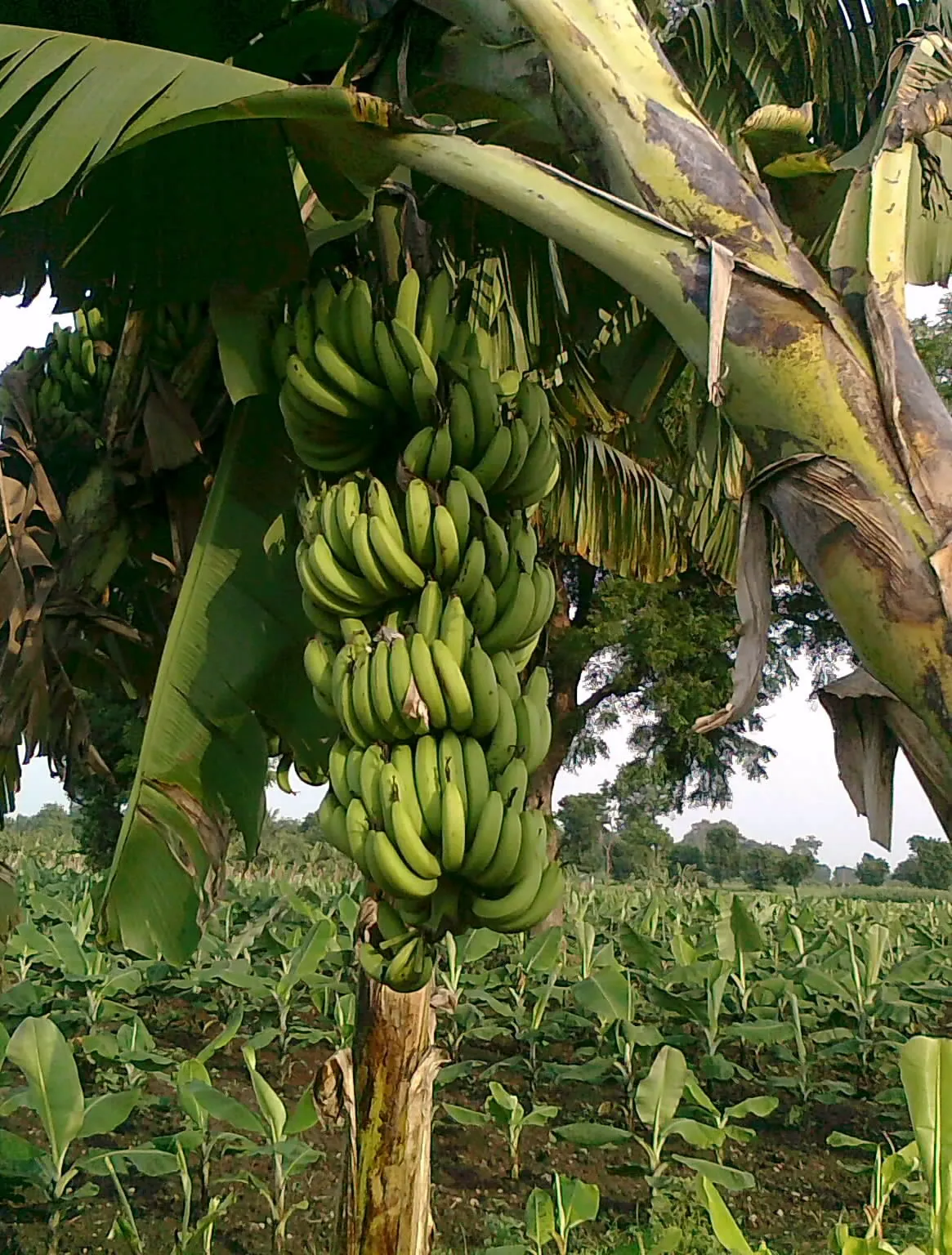
Banana chips can be made from many bananas, but great ones are made from only one: the Nendran, a long, thick plantain with dense, dry flesh and very little sugar when green. Nendran grows best in the humid, well-watered land between the Western Ghats and the sea, which is precisely the strip of country that runs from central Kerala down to Kanyakumari district. Nagercoil sits at the southern end of that strip, surrounded by the canal-fed plantain farms of Thovalai, Kalkulam and Vilavancode.
That means a Vadasery kitchen can buy bunches that were cut the previous day. Freshness matters more than most people realise, because a Nendran that has begun to ripen even slightly fries darker and softer. Our article on the Nendran bananas of Kanyakumari goes deeper into the soil and the growing calendar.
2. The Oil: Tamil Groundnut Instead of Kerala Coconut
Here is the real fork in the road. Across the border in Kerala the same Nendran is fried in coconut oil, giving the rich, fragrant chip that Keralites love and that goes rancid in ten days. Nagercoil, being culturally Tamil, fried in the oil the rest of Tamil Nadu used for its murukku and pakoda: cold-pressed groundnut oil.
Groundnut oil has a higher smoke point and a neutral taste. It seals a thin slice fast, so the chip comes out dry, light and pale gold, and it resists oxidation, so the chip stays fresh for three to four weeks. For a snack that was going to travel, that difference was decisive. The full comparison is in Kerala banana chips vs Nagercoil banana chips, and the tradition itself in the groundnut oil frying tradition.
3. The Pilgrims: A Snack Built to Travel
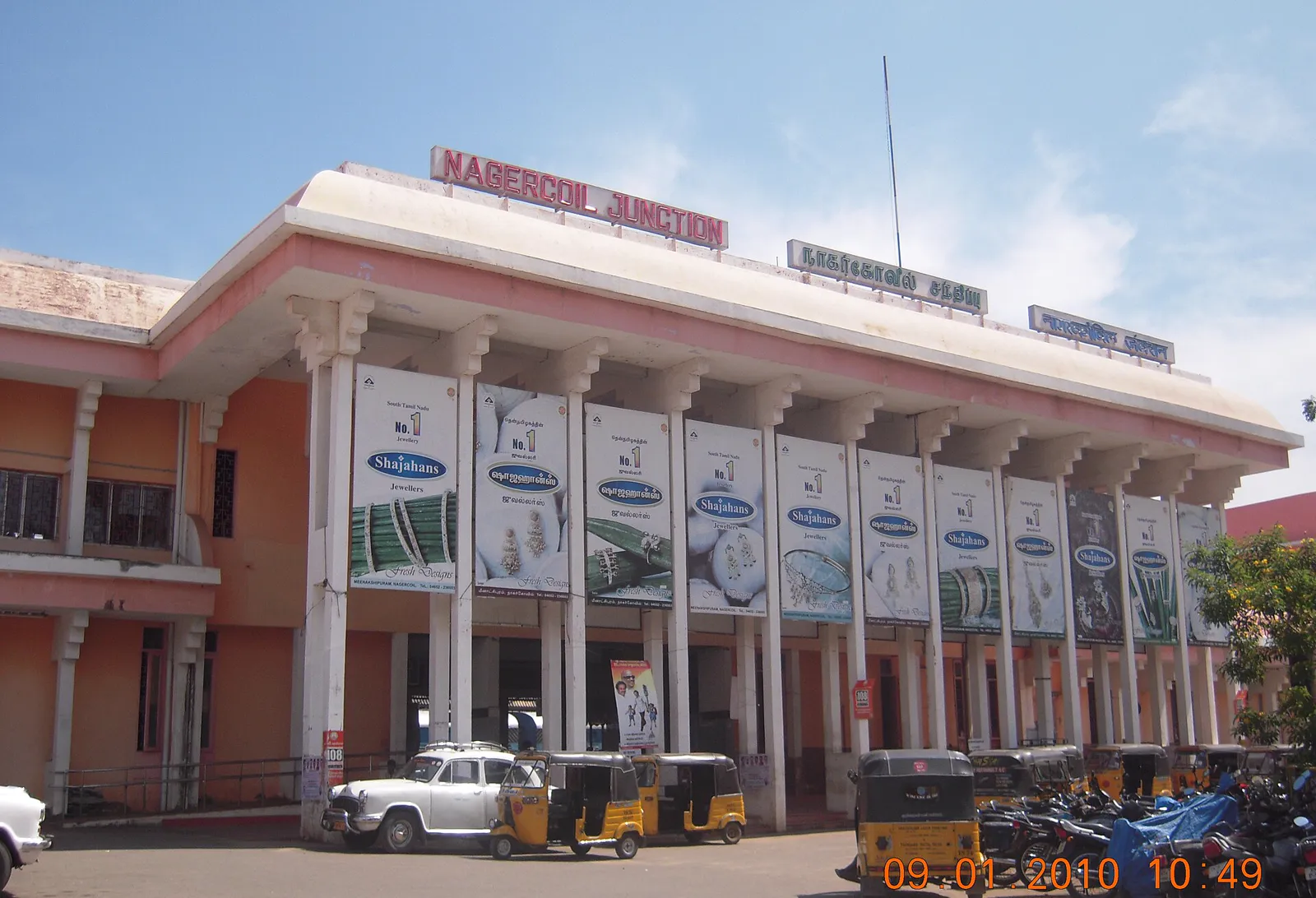
Nagercoil's fame is inseparable from Kanyakumari's. Every year millions of pilgrims and tourists travel to the southern tip to see the sunrise, the Kumari Amman temple and the Vivekananda Rock, and almost all of them pass through Nagercoil. For a century the town's railway junction was the gateway, and for a century travellers looked for something to carry home.
Halwa was too heavy and too short-lived for a two-day train journey to Chennai. Sweets melted. But a bag of thin, dry, groundnut-oil chips would arrive as crisp as it left. Families going home from the Cape bought chips in Vadasery, handed them out to neighbours, and the neighbours asked where they were from. That is how a town with no advertising budget became a brand. Our Nagercoil Junction guide describes the modern version of that same journey.
4. Vadasery: The Kitchens That Refused to Change
Reputation is only kept if somebody keeps earning it. From the 1960s onward, as palm oil flooded the Indian market and mechanised slicers became cheap, most of India's banana chip makers switched to both. Vadasery's old sweet stalls, by and large, did not.
RajaGopal Sweet Stall opened on Asambu Road in 1965 and has fried in groundnut oil, sliced by hand over the kadai, and salted with a turmeric brine splash ever since. Three generations have stood at the same fryer. The reasons were partly stubbornness and partly commercial sense: customers who had driven from Tirunelveli or Madurai specifically for "Vadasery chips" could tell the difference in one bite, and a shop that cut corners lost them. You can read the family's account in our story since 1965 and the process itself in how banana chips are made.
5. The Technique: Small Details That Add Up
Ask a Vadasery fryer what makes the chips famous and you will hear about details rather than secrets:
- Slicing over the oil so the slice never sits and oxidises.
- Uniform thinness, because a thick slice chews and a thin one shatters.
- The brine splash, a ladle of salt and turmeric water thrown into the oil near the end of frying, which seasons the chip from inside and gives the pale gold colour without dye.
- Frequent oil changes, the most expensive habit and the one most often abandoned elsewhere.
- Packing within the hour so the chip is sealed before it can absorb the coastal humidity.
6. What "Famous" Looks Like Today
The pilgrim's bag of chips has become a courier parcel. Families in Chennai and Bangalore who once waited for a relative's visit now order a kilogram a month on WhatsApp, and the diaspora in the Gulf, Singapore and the United States packs chips into every suitcase that leaves the district. The phrase "Nagercoil banana chips" is searched by people who have never been to Nagercoil, which is perhaps the truest measure of fame. Our delivery guide explains how the chips reach each of those cities.
Nagercoil Chips Versus the Neighbours
| Style | Oil | Texture | Shelf life | Reputation built on |
|---|---|---|---|---|
| Nagercoil / Vadasery | Cold-pressed groundnut | Thin, dry, shattering | 3 to 4 weeks | Travel, gifting, purity |
| Kerala (Kozhikode, Thrissur) | Coconut | Denser, fragrant, richer | 10 to 14 days | Eating fresh with tea |
| Tirunelveli / Madurai | Groundnut or refined | Thicker, sometimes spiced | 2 to 3 weeks | Local halwa-shop side product |
| Factory brands | Palm olein | Uniform, waxy finish | Months (packaging) | Distribution, not taste |
None of the neighbours is bad. But only one of them combined the right fruit, the right oil and the right customers in one place, and that is why the town's name is on the bag. To see where those bags are sold today, read our guide to the best banana chips in Nagercoil.
Frequently Asked Questions About Nagercoil's Banana Chip Fame
Why is Nagercoil famous for banana chips?
Nagercoil sits at the southern end of the Nendran plantain belt, fries in cold-pressed groundnut oil rather than coconut or palm oil, and for a century has been the gateway town for pilgrims to Kanyakumari who carried the chips home across Tamil Nadu. Family stalls in Vadasery kept the traditional method alive when most makers switched to palm oil and machines.
What is the difference between Nagercoil banana chips and Kerala banana chips?
Both use Nendran plantains, but Kerala chips are fried in coconut oil and taste rich and fragrant, while Nagercoil chips are fried in groundnut oil and come out thinner, drier and lighter. Nagercoil chips also keep for three to four weeks against ten to fourteen days for coconut-oil chips.
Are Nagercoil banana chips and Vadasery banana chips the same thing?
Yes. Vadasery is the market suburb of Nagercoil where the town's sweet stalls and chip kitchens are concentrated. "Vadasery chips" is the local name and "Nagercoil chips" is how the rest of Tamil Nadu refers to the same product.
How old is the Nagercoil banana chip tradition?
Banana chips have been fried in the district for well over a century, and the modern reputation grew with rail and pilgrim traffic through Nagercoil Junction in the twentieth century. RajaGopal Sweet Stall has fried them on Asambu Road, Vadasery, since 1965.
Which banana is used for Nagercoil banana chips?
Only the Nendran, a large, dense plantain grown in Kanyakumari district and Kerala. Its dry, starchy flesh fries into a thin, crisp chip that other banana varieties cannot match.
Taste Sixty Years of the Same Kadai
The chips that made the town famous, fried this morning on Asambu Road and vacuum-sealed for wherever you are.
Order on WhatsApp (+91-9790227409) Order Nagercoil Chips