Ask anyone in the banana trade and they will tell you the same thing: not all Nendran is equal. The variety is grown across Kerala and southern Tamil Nadu, but the Nendran bananas that come into Nagercoil's markets from the Kanyakumari farming belt have a reputation of their own — firmer flesh, deeper flavour, and chips that taste of banana rather than just oil and salt. This is a look at why, from a family that has been slicing them since 1965.
A Banana Bred by Geography
Nendran is not a dessert banana. It is a tall, slow-maturing variety with long, ridged fruit that stays firm and starchy even as it sweetens — closer to a plantain than to the soft table bananas of the north. That firmness is the whole point: a slice of mature Nendran holds its shape in hot oil, gives up its moisture cleanly, and crisps into a chip with real body.
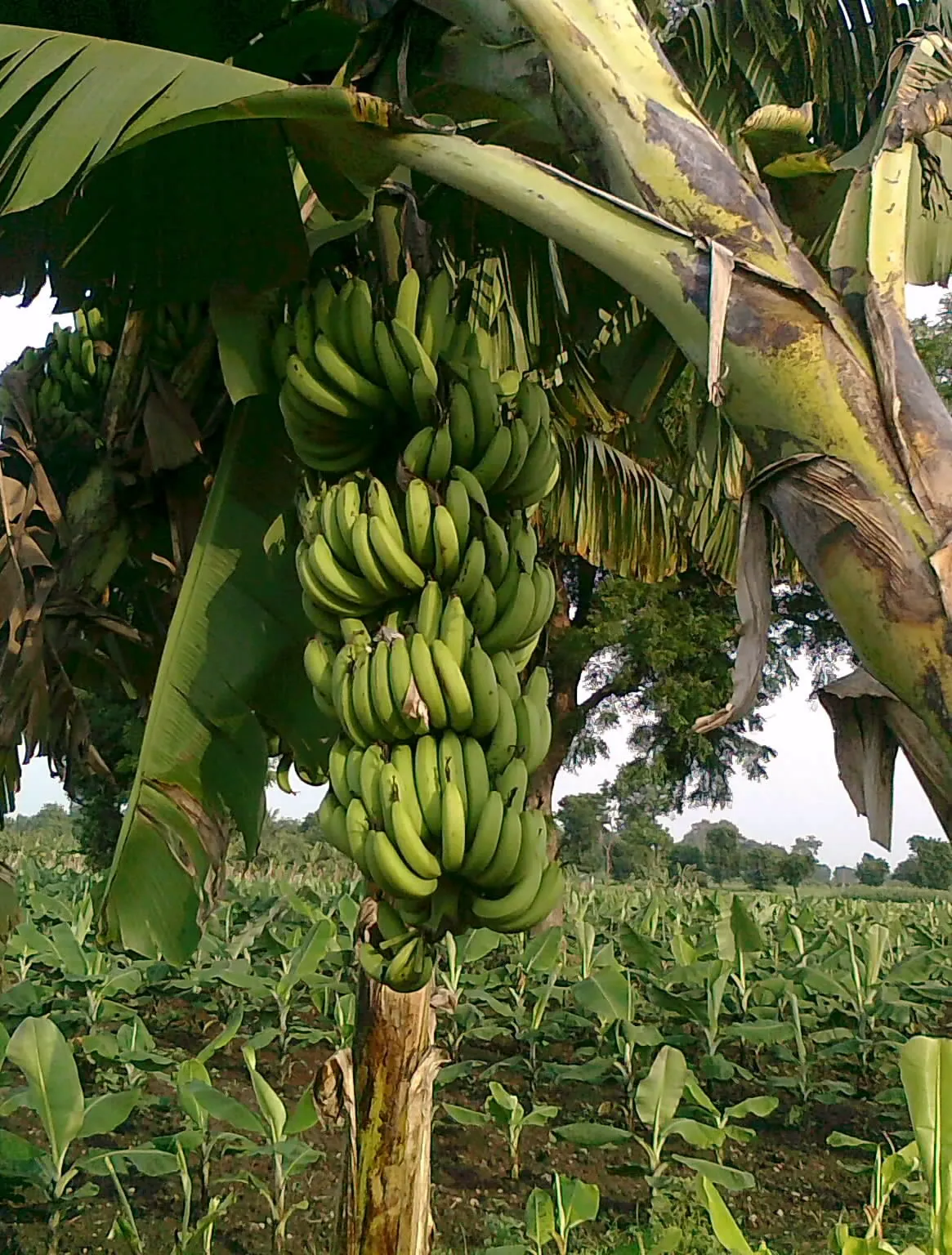
Kanyakumari district happens to give the plant almost everything it wants. Two monsoons a year keep the soil moist without irrigation heroics, the red loam drains well, and the Western Ghats shelter the valleys from scorching wind. The fruit ripens slowly here, and slow ripening builds the sugars and dry matter that make the difference between a good chip and an ordinary one.
The Kerala-Border Farming Belt
Follow the road west out of Nagercoil towards Marthandam and Kaliyakkavilai and you are driving through the district's banana belt — small mixed farms where Nendran grows alongside rubber, coconut, and tapioca, in a landscape that looks and farms more like Kerala than the rest of Tamil Nadu. That is no accident: this side of the district was part of old Travancore, and its farming habits came with it.
The belt supplies both states. Bunches cut in these villages in the early morning are on sale in Nagercoil's wholesale market by breakfast, and much of the crop crosses the border into Kerala the same day. For the chip trade, that short supply line is everything — the fruit never sits in a lorry long enough to soften.
From Bunch to Chip: Why Freshness Matters
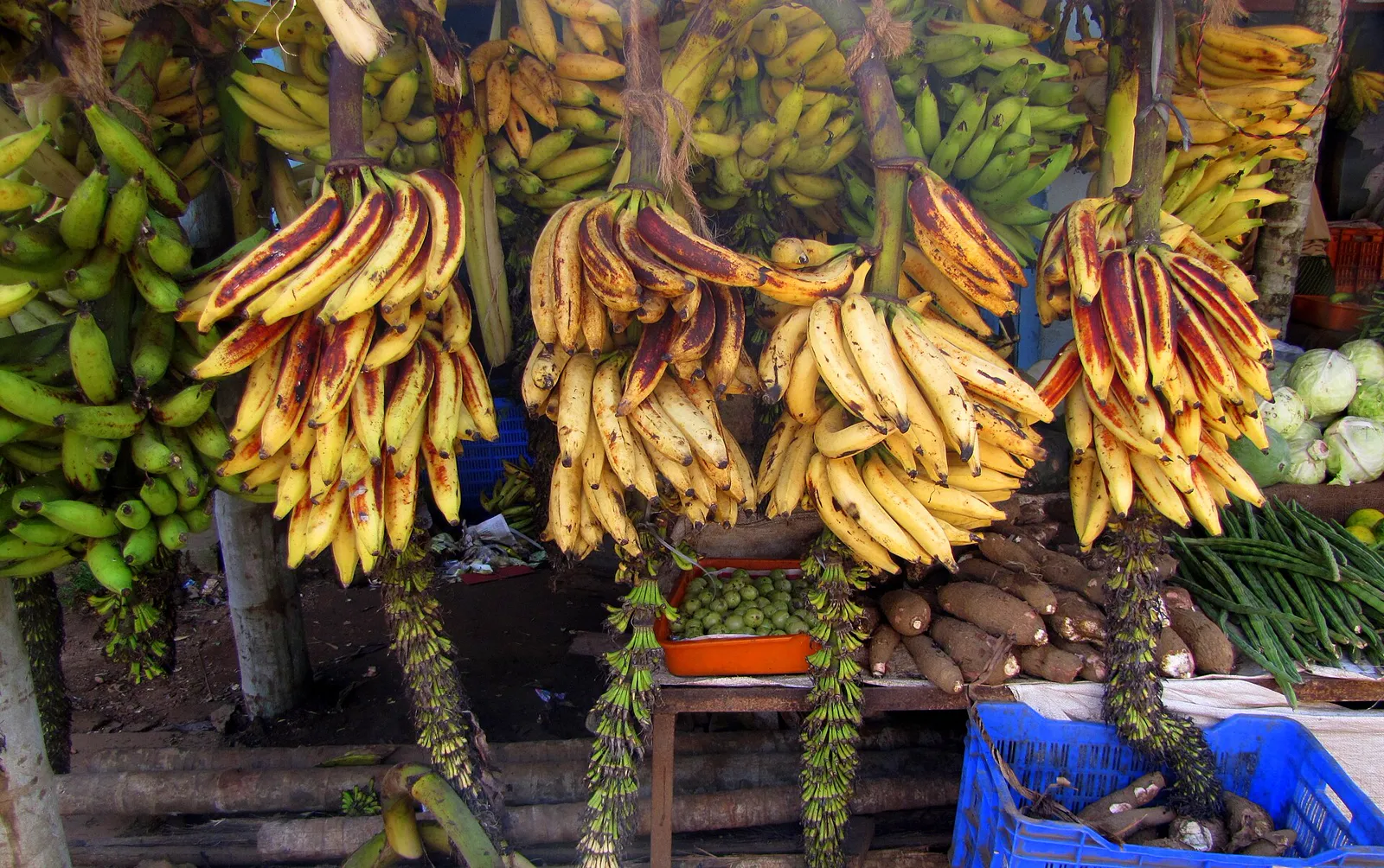
A Nendran banana is at its best for frying in a narrow window — mature and full-sized, but before ripening softens the flesh. Once cut, the clock runs. Every day a bunch spends in transit costs firmness, and soft fruit drinks oil instead of crisping. This is the quiet reason Nagercoil banana chips beat factory chips made hundreds of kilometres from any farm: distance, not recipe.
In our own kitchen the rule is simple — chips are fried the same morning the bananas arrive from the belt, sliced straight into hot oil. The full routine, from selecting bunches to salting, is in how our banana chips are made, and if you want the taste comparison spelled out, see Nendran vs regular banana chips.
The Market Test: How Locals Pick Nendran
Watch a Nagercoil grandmother buy Nendran and you get a free masterclass. She will look for fruit that is long and evenly thick, with sharp ridges running the length — rounded, filled-out ridges mean over-ripeness. The skin should be deep green shading to gold, never fully yellow if it is meant for frying. She will press near the stem: it should feel like unripe mango, not like a ripe pear. And she will smell the cut stalk — fresh-cut bunches smell green and sappy, while old stock smells of nothing.
The same test works for visitors buying fruit to carry home, and Nendran travels surprisingly well; a firm bunch bought here ripens gently over four or five days. It sits high on our list of what to buy in Nagercoil for exactly that reason.
Frequently Asked Questions
What makes Nendran bananas special?
Nendran is a firm, starchy banana variety with low moisture and a naturally sweet, almost nutty flavour. Unlike table bananas, it holds its shape when sliced and fried, which is why it is the only banana serious chip-makers in Kanyakumari district use. It is also cooked in Kerala-style dishes and steamed as a breakfast food.
Are Nendran bananas the same as plantains?
Nendran belongs to the plantain family — it is a cooking banana, starchier and firmer than dessert varieties. But it sits somewhere in between: fully ripe Nendran is sweet enough to eat raw, while the mature-but-firm stage is perfect for frying. That dual nature is what makes it so valued in the Kanyakumari and Kerala kitchens.
Why are Kanyakumari banana chips famous?
Because the district sits inside the Nendran-growing belt itself. Bananas travel only a few kilometres from farm to fryer, so shops can slice and fry the same morning the bunches arrive — and chips fried from fresh, firm Nendran are crisper and sweeter than anything made from fruit that has spent days in transit.
Taste the Belt in a Chip
Nendran banana chips fried the same morning the bunches arrive — from our Vadasery kitchen to your door.
Call Now Order on WhatsApp