Ask anyone from the north what time Diwali begins and they will say after sunset, when the lamps come out. Ask anyone in Nagercoil and the answer is 4 AM. Deepavali in the deep south is a dawn festival, and the whole rhythm of it — the oil bath, the new clothes, the first cracker in the dark, the sweets eaten before breakfast — runs a full day ahead of the rest of India's imagination of the festival. Our family has spent sixty Diwali seasons behind a sweet counter in Vadasery, so this is the festival as we live it.
Deepavali the Tamil Way: The Pre-Dawn Oil Bath
The heart of the Tamil Deepavali is Naraka Chaturdashi morning. Households wake in the dark, elders press a drop of warm gingelly oil on each head, and everyone bathes before sunrise — the oil bath that tradition says equals a dip in the Ganga. Then come the new clothes, laid out the night before and worn straight from the folds, and the first plate of sweets, eaten before any breakfast is considered. Only after all this do the crackers begin, usually while the sky over the Western Ghats is still grey. By 8 AM, when much of India is still a fortnight of shopping away from its Diwali night, Nagercoil's festival is substantially complete — and the rest of the day belongs to visiting, eating, and comparing whose laddu came from where.
The Week Before: Sweet Boxes Cross the District
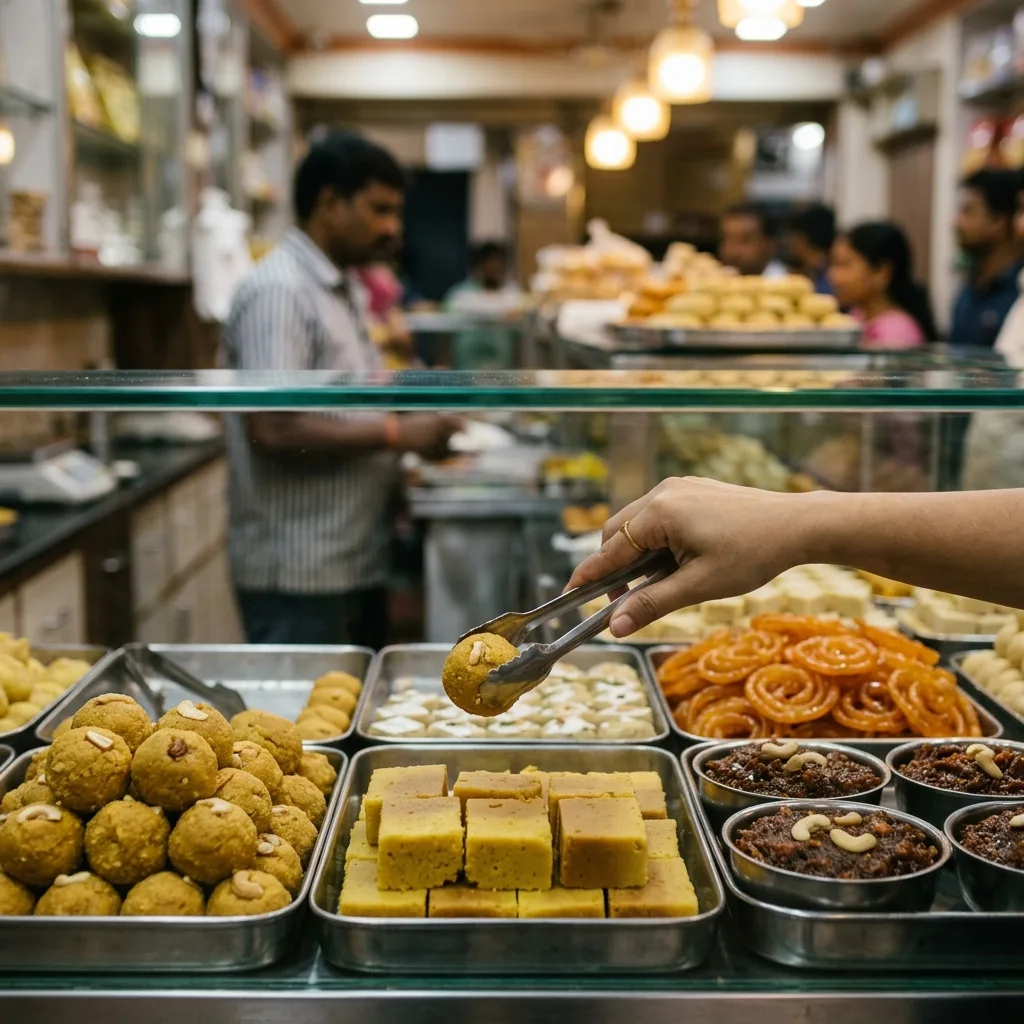
The real engine of a Nagercoil Diwali is the week before it, when sweet boxes travel in every direction — to in-laws in Suchindram, cousins in Marthandam, colleagues, teachers, and the neighbour who watered the plants. Married daughters receive boxes from their parents' homes; new sons-in-law receive conspicuously heavy ones. For sweet shops this is the busiest week of the year, ours included: families place pre-orders days ahead for ghee laddu and mysore pak by the kilogram, and the kitchen works through the nights before the festival so every box leaves fresh. The wise order early; the optimistic queue on Diwali eve and take what remains.
What's in a Nagercoil Diwali Box
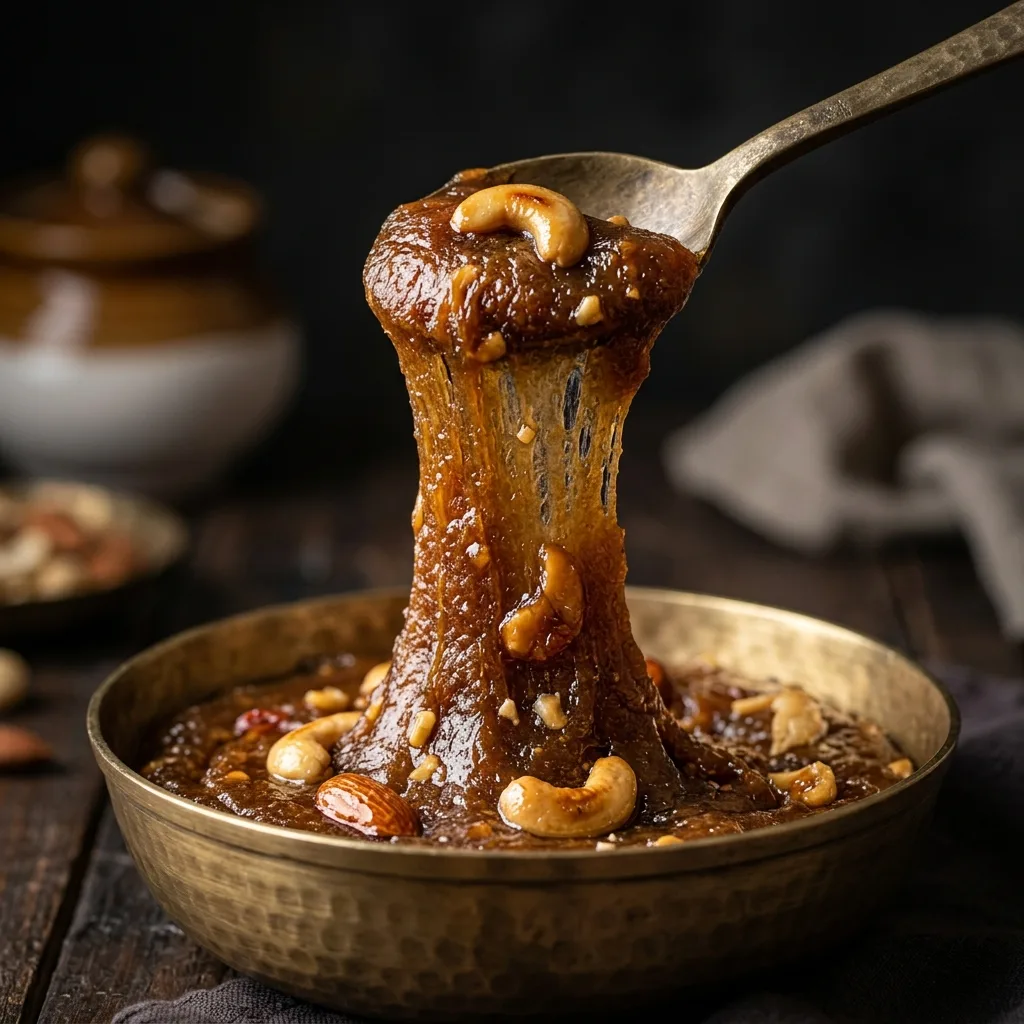
The classic box is a balance of sweet and savoury, because no Tamil household trusts a gift that is all sugar. On the sweet side: boondi laddu, soft mysore pak, glossy wheat halwa — the pride of this southern belt, whose story we tell in our history of halwa in south Tamil Nadu — and adhirasam, the jaggery-and-rice-flour sweet many families still fry at home to a grandmother's recipe. On the savoury side: murukku, mixture, kara sev, and masala kadalai to cut the sweetness. A good box from the Nagercoil sweet trade is judged the moment it opens: the ghee should announce itself before the lid is fully off.
Diwali Day & After
Once the morning rituals end, Diwali day settles into visiting — plates of sweets offered at every doorstep, children auditing each house's cracker stock, and temple visits in new clothes. Many families end the evening at the Nagaraja Temple, the shrine that gave the town its name; its calendar and customs are covered in our Nagaraja Temple guide. The days after have their own gentle economy: leftover sweets are traded between houses, savouries reappear at tea time, and the last laddu is usually discovered, hidden and slightly guarded, in someone's cupboard a week later. Then the district exhales, and the sweet kitchens finally sleep.
Frequently Asked Questions
How is Diwali celebrated in south Tamil Nadu?
Deepavali in south Tamil Nadu is a dawn festival. Families wake before sunrise for the ritual oil bath, wear new clothes, burst the first crackers while it is still dark, and eat sweets before breakfast. The main celebration is Naraka Chaturdashi morning itself, and the days before are spent exchanging sweet boxes with relatives and neighbours.
What sweets are made for Diwali in Nagercoil?
A Nagercoil Diwali box usually holds ghee laddu, mysore pak, wheat halwa, and adhirasam, balanced with savouries like murukku, mixture, and kara sev. Laddu and mysore pak are the two sweets almost no family box goes without, and many households add fresh jalebi bought on Diwali eve.
When should I order Diwali sweets?
Order at least four or five days before Deepavali. Diwali week is the busiest of the year for Nagercoil sweet shops — our Vadasery kitchen takes pre-orders a week ahead and works through the nights before the festival — and last-minute walk-ins on Diwali eve often find the popular sweets sold out by evening.
Hero image: Ara Basu, CC BY-SA 4.0, via Wikimedia Commons.
Book Your Diwali Sweet Box Early
Pre-order laddu, mysore pak, and halwa from our Vadasery kitchen — packed fresh for the festival, delivered across India.
Call Now Order on WhatsApp