Quick Answer: What Is Karupatti?
Karupatti is palm jaggery: the dark, slightly smoky block sweetener made by boiling the fresh sap (pathaneer) of the palmyra palm, Tamil Nadu's state tree. The same palm also gives palm candy (panangkalkandu), summer nungu (ice apple) and the sprout tuber panang kizhangu. The most famous karupatti is Udangudi Panangkarupatti, which has a GI tag. Real karupatti is dark, firm and caramel-smelling; very pale, shiny blocks are often mixed with cane sugar.
Ask anyone in Nagercoil what the deep south tastes like and the answers are banana chips, halwa and fish. Ask a farmer from the Thoothukudi and Tirunelveli side and the answer is the palmyra, panai in Tamil, a tall, unbranched palm that stands in rows across the dry southern plains and gives food, drink, sugar, roofing and rope. This page is a field guide to its foods: what each one is, when it appears, how to buy it honestly and which ones can actually travel home in a bag. We are a sweet stall, not a palm-jaggery maker, and we say so plainly further down.
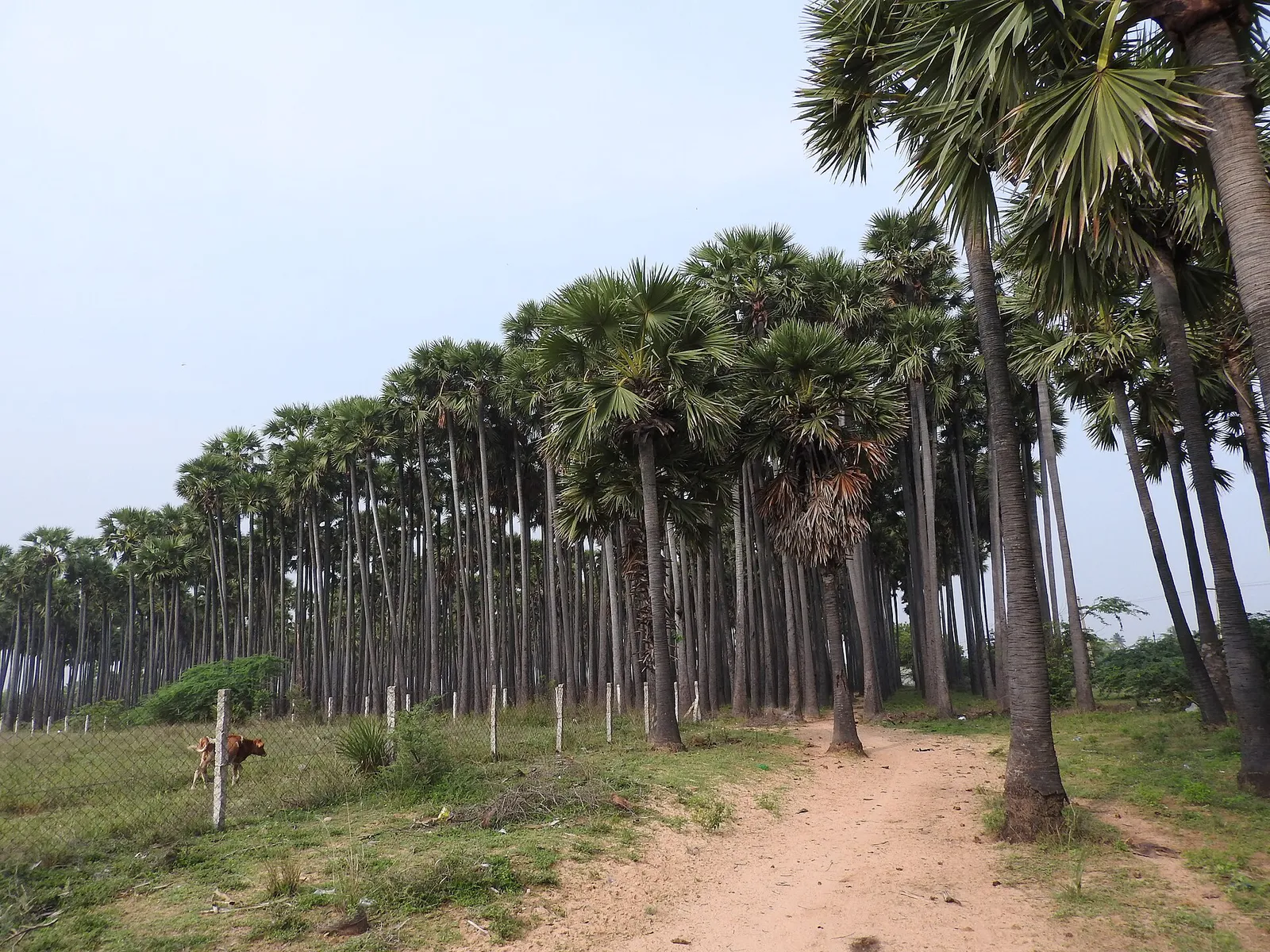
What Is the Palmyra Palm? Tamil Nadu's State Tree
The palmyra (Borassus flabellifer, also written palmyrah) is the official state tree of Tamil Nadu, and a Tamil poem calls it the tree of life. It grows 20 to 30 metres tall, takes some 12 to 20 years to mature and can keep producing for a century. Male and female trees look identical until they flower, and both can be tapped for sap, though the female tree is reported to give more.
The Tamil Nadu Palm Products Development Board puts the state's palmyras at around 51 million, which is over half of the trees in India, but the count has been falling because palms are cut for firewood, brick kilns and land. The trees thrive in dry, sandy, low-rainfall country, which is why the great commercial belts lie in Thoothukudi, Tirunelveli, Tenkasi and Ramanathapuram districts. Kanyakumari district has palmyras too, and its social history is tied to them: the Nadar community of the district has traditionally been closely associated with palm climbing, tapping and jaggery making. Still, the heartland of commercial karupatti sits east of us.
Pathaneer (Neera): The Sweet Sap Behind Everything
Every palm sweet starts with pathaneer (also spelt padhaneer or padaneer, and called neera in English). A climber goes up the trunk, slices the tip of the young flower stalk and ties an earthen pot beneath the cut. The cut has to be shaved afresh several times a day to keep the sap flowing. A tree is estimated to give around 150 litres of sap in a season, which boils down to roughly 25 kg of jaggery. The flow is seasonal: published figures range from about 90 to 120 days per tree in one agronomy paper to several months of tapping across the state in other sources, so treat any single calendar with caution and ask locally.
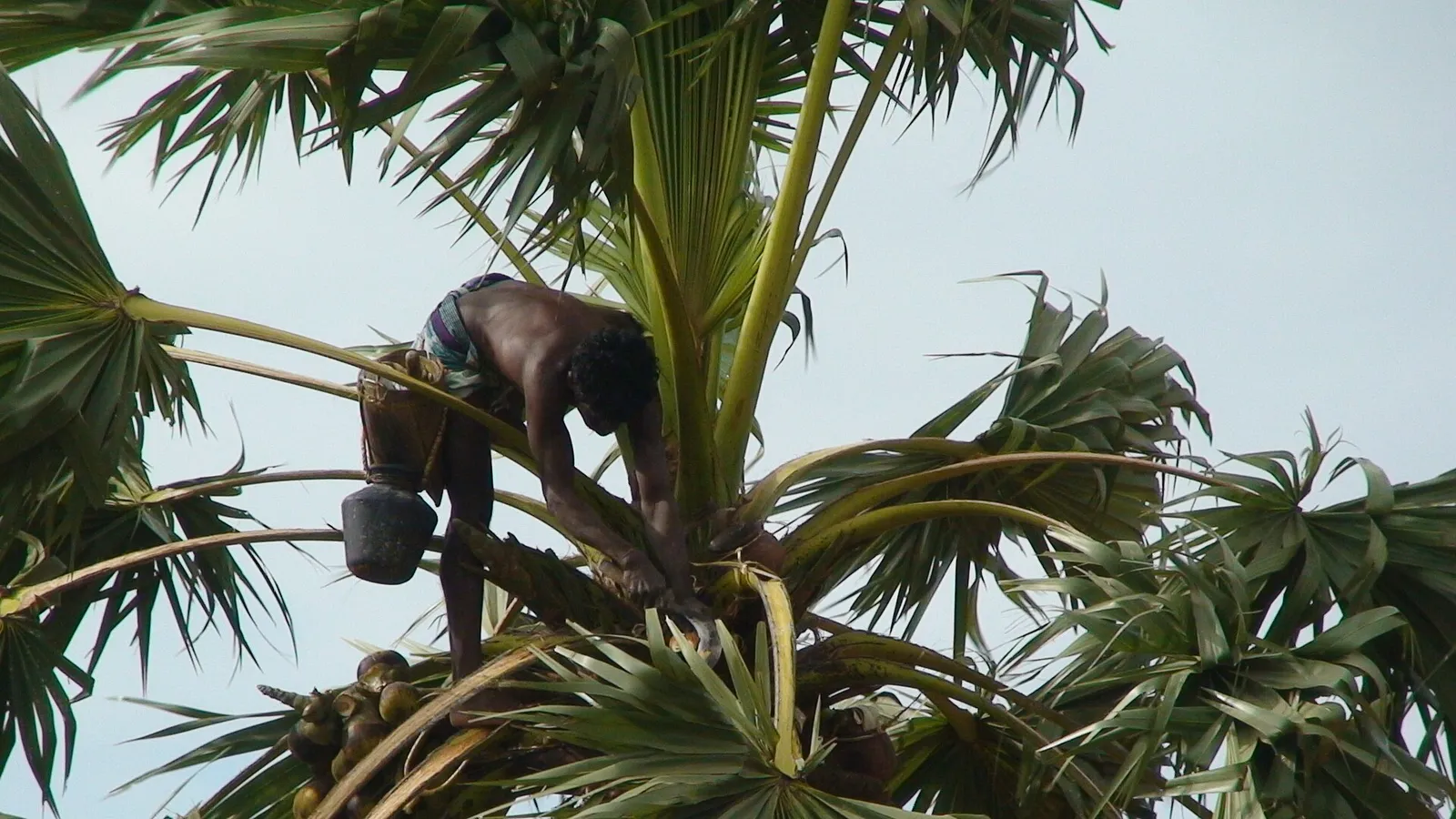
Pathaneer is not toddy: the lime pot
This is the question visitors ask most. Fresh palm sap is full of natural yeast and begins to ferment within hours of sunrise, turning into kallu (toddy), which is alcoholic. Pathaneer is the same sap collected unfermented. The trick is to coat the inside of the pot with lime (chunnam), which slows fermentation so the sap stays sweet. Unfermented sap runs at roughly 10 to 16 per cent sugar, mostly sucrose, and tastes like lightly smoky, mineral sugar water. It is drunk fresh in the morning or boiled straight away, and it does not keep.
Rules on palm sap have changed over the years in Tamil Nadu, and fermented toddy in particular is regulated. Neera tapping is now licensed, with products marketed through the Palm Products Development Board, so if you are offered a drink on a roadside in the south, ask whether it is fresh pathaneer and where it was tapped.
Karupatti Meaning: How Pathaneer Becomes Palm Jaggery
Karupatti means "black sweet". The sap is boiled for hours in broad pans over a wood fire, stirred and skimmed until it thickens to a sticky mass, then poured into moulds where it sets into the familiar blocks. In the southern palm belt you will hear of sillu karupatti, a softer, crumbly kind sold in small lumps, as well as hard blocks and powdered forms. It is also called panai vellam (palm jaggery) and panangkarupatti.
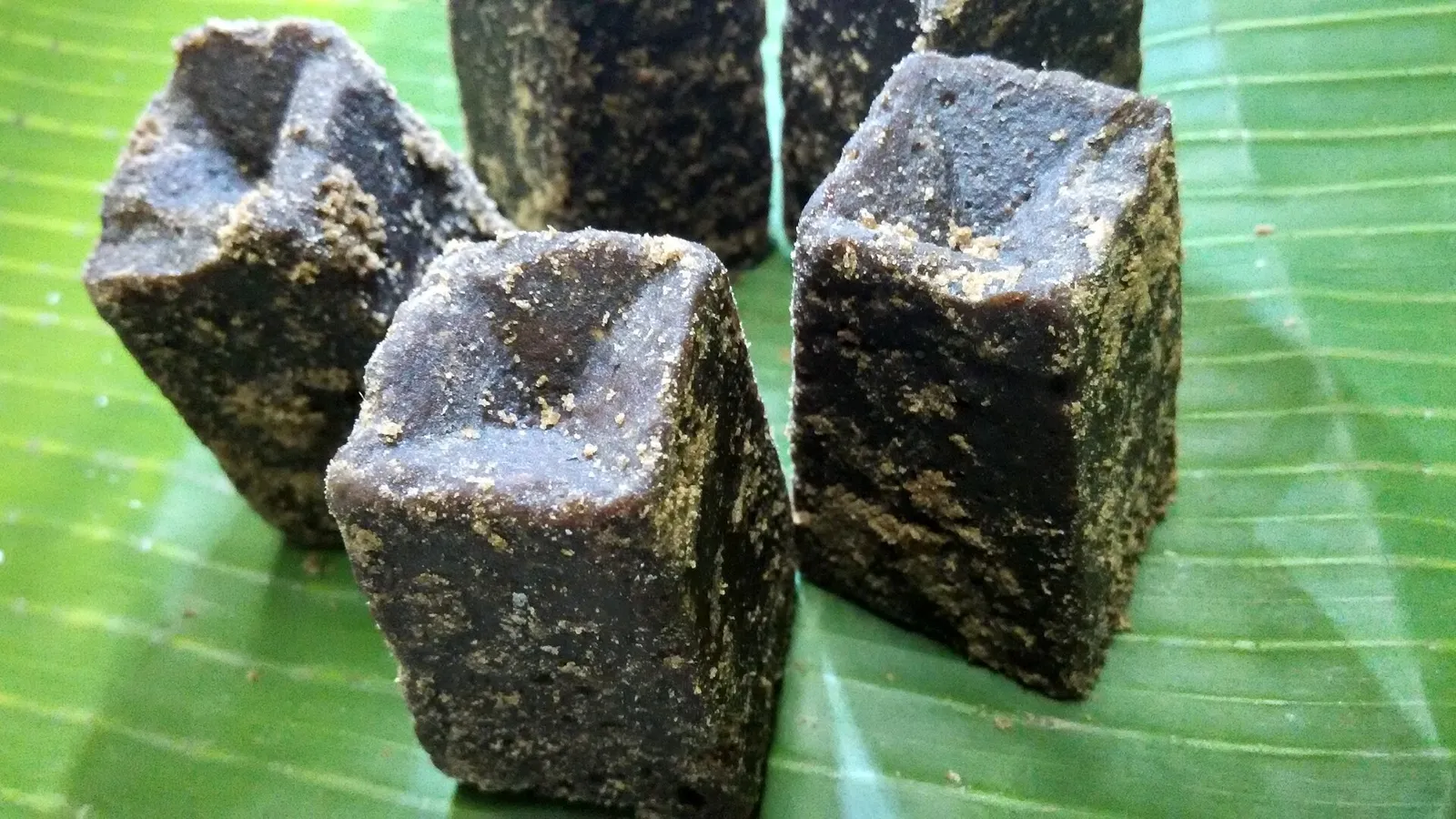
Where the famous karupatti comes from: Udangudi and the south
The best-known name is Udangudi Panangkarupatti, from the palm country around Udangudi near Tiruchendur in Thoothukudi district. It received a Geographical Indication (GI) tag in 2023, on an application by the Tirunelveli District Palmyrah Products Cooperative Federation and the Patent Information Centre of the Tamil Nadu State Council for Science and Technology. Udangudi has made palm jaggery for generations and once exported it. A GI tag does not make every block sold as "Udangudi" genuine, but it gives buyers something specific to ask for.
In Kanyakumari district you will find palm jaggery in weekly markets, small provision shops and the bazaar streets of Nagercoil. Much of it is made in the Tirunelveli and Thoothukudi belt and brought down. If a stall says its karupatti is "from our own palms", ask where the trees are.
Karupatti vs Jaggery vs Sugar: What Is the Difference?
People searching "karupatti vs jaggery" usually want to know whether palm jaggery is healthier than ordinary cane jaggery (vellam). The short answer is that it tastes different and is less refined than sugar, but the health claims online are stronger than the evidence. Here is a fair comparison:
| Karupatti (palm jaggery) | Cane jaggery (vellam) | White sugar | |
|---|---|---|---|
| Made from | Boiled palmyra sap (pathaneer) | Boiled sugarcane juice | Refined and crystallised cane or beet juice |
| Colour | Dark brown to near black | Golden to dark brown | White |
| Taste | Deep, caramel, slightly smoky, mineral | Sweet, molasses, milder | Clean sweetness only |
| Processing | Boiled and moulded; minimal refining | Boiled and moulded; minimal refining | Heavily refined; minerals removed |
| Minerals | Some (potassium, iron, calcium), amounts vary | Some; sources disagree on which has more iron | Almost none |
| Calories | About the same as sugar, roughly 350 to 400 kcal per 100 g | About the same | About 400 kcal per 100 g |
| Glycemic index | Reported lower than cane in some studies; figures vary widely | Higher in those comparisons | High |
| Best used for | Coffee, paniyaram, kozhukattai, payasam | Everyday sweets, chikki, payasam | Tea, baking, commercial sweets |
The table says "varies" often, and for good reason: nutrition figures for jaggery change with the maker, the boil time and the moisture, and published comparisons of iron in palm versus cane jaggery point both ways. What is clearer is that pure palm jaggery holds more minerals and polyphenols than palm jaggery cut with sugar, so purity matters more than the palm-or-cane question. The honest summary:
- Karupatti benefits are real but modest. It is less processed than white sugar and has more flavour, so you may use a little less of it.
- It is still sugar. It raises blood glucose and carries about the same energy per gram. People with diabetes should not treat "palm jaggery" as a free pass.
- Folk uses are folk uses. Karupatti with dry ginger for colds and palm candy in milk for a cough are long-standing home remedies, not tested treatments.
Palm Candy (Panangkalkandu): The Slow Sugar
Palm candy, panangkalkandu in Tamil, comes from the same pathaneer but is cooked and crystallised differently. The sap is boiled, strained and left in earthen pots for weeks, during which crystals form; the lumps are then broken out. It is paler and milder than karupatti and dissolves easily. In a Tamil kitchen it goes into milk for children, into porridges and cooling drinks and into home remedies. A recent press report from the palm-jaggery districts quoted palm candy at around ₹800 a kilogram against roughly ₹350 to ₹600 for karupatti, because the yield is smaller and the process slower.
Nungu (Ice Apple): The Summer Fruit
Nungu, called ice apple in English, is the young, soft kernel of the palmyra fruit. Each fruit holds up to three translucent, jelly-like segments in a thin brown skin, with a sweet cooling water inside. It is a summer fruit, sold from roughly late April into July, just before the first mangoes of the season. Sellers set up at junctions and bus stops with whole fruit and cut and peel it to order, usually in portions of a few segments.
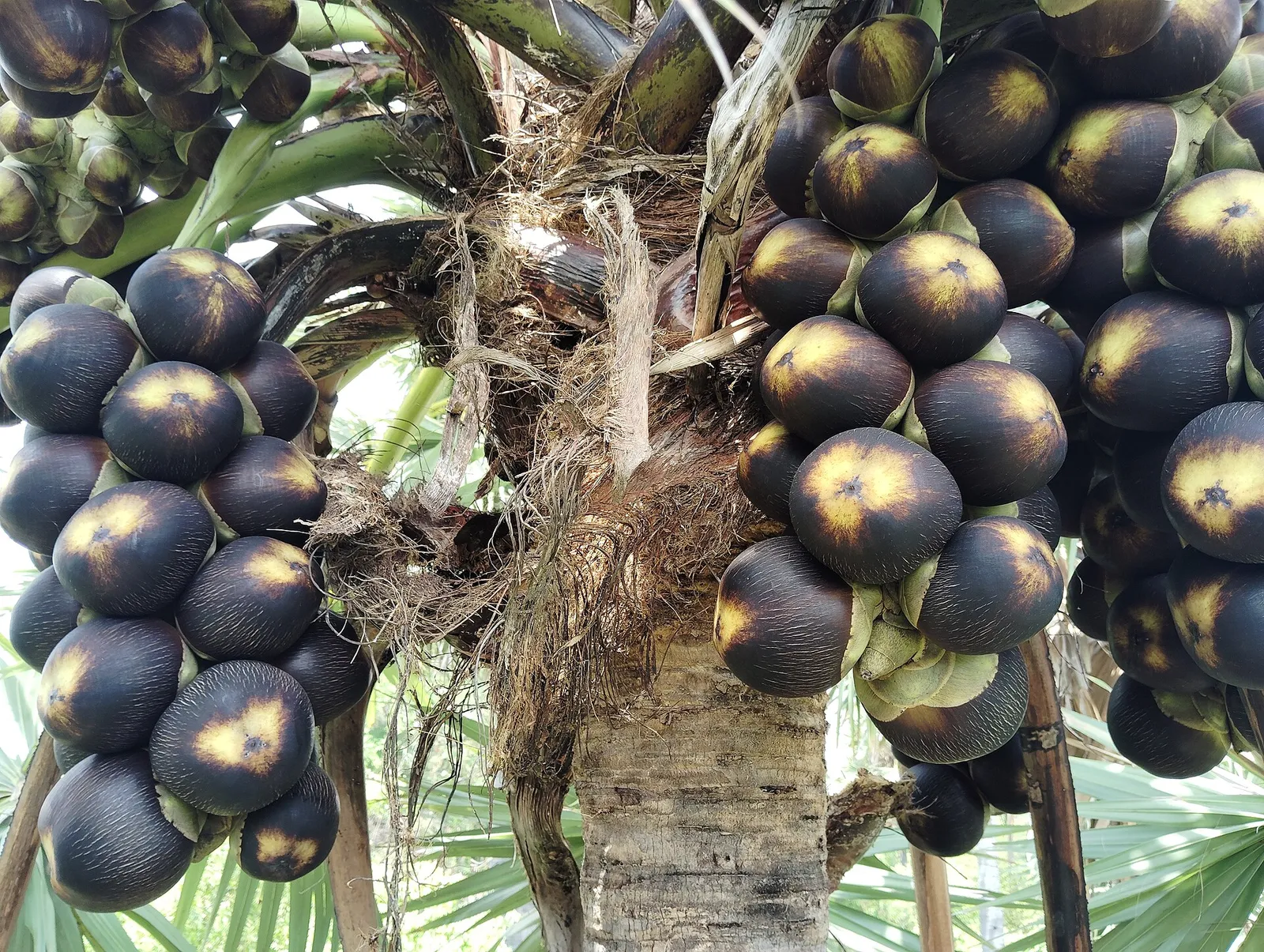
Two practical points for tourists. First, nungu is not a souvenir: it spoils quickly and loses its texture in a bag, so eat it where you buy it. Second, ask for young, tender fruit; as the fruit matures the kernel turns hard and fibrous.
Panang Kizhangu: The Palmyra Sprout Tuber
Panang kizhangu (also panai kizhangu or palmyra sprout) is the fleshy, spindle-shaped sprout that grows underground from a germinating palmyra seed. Seeds are buried, left for some months, and the sprouts are dug up. In Tamil Nadu it is most common in Tirunelveli, Tenkasi, Thoothukudi and Ramanathapuram districts, among others. It is sold in tied bundles and is traditionally associated with the harvest and Pongal season, though no source we found gives a single harvest month, so ask the seller. You eat it boiled or roasted, or dried and pounded into flour, and a hard, chewy dried version is called odiyal.
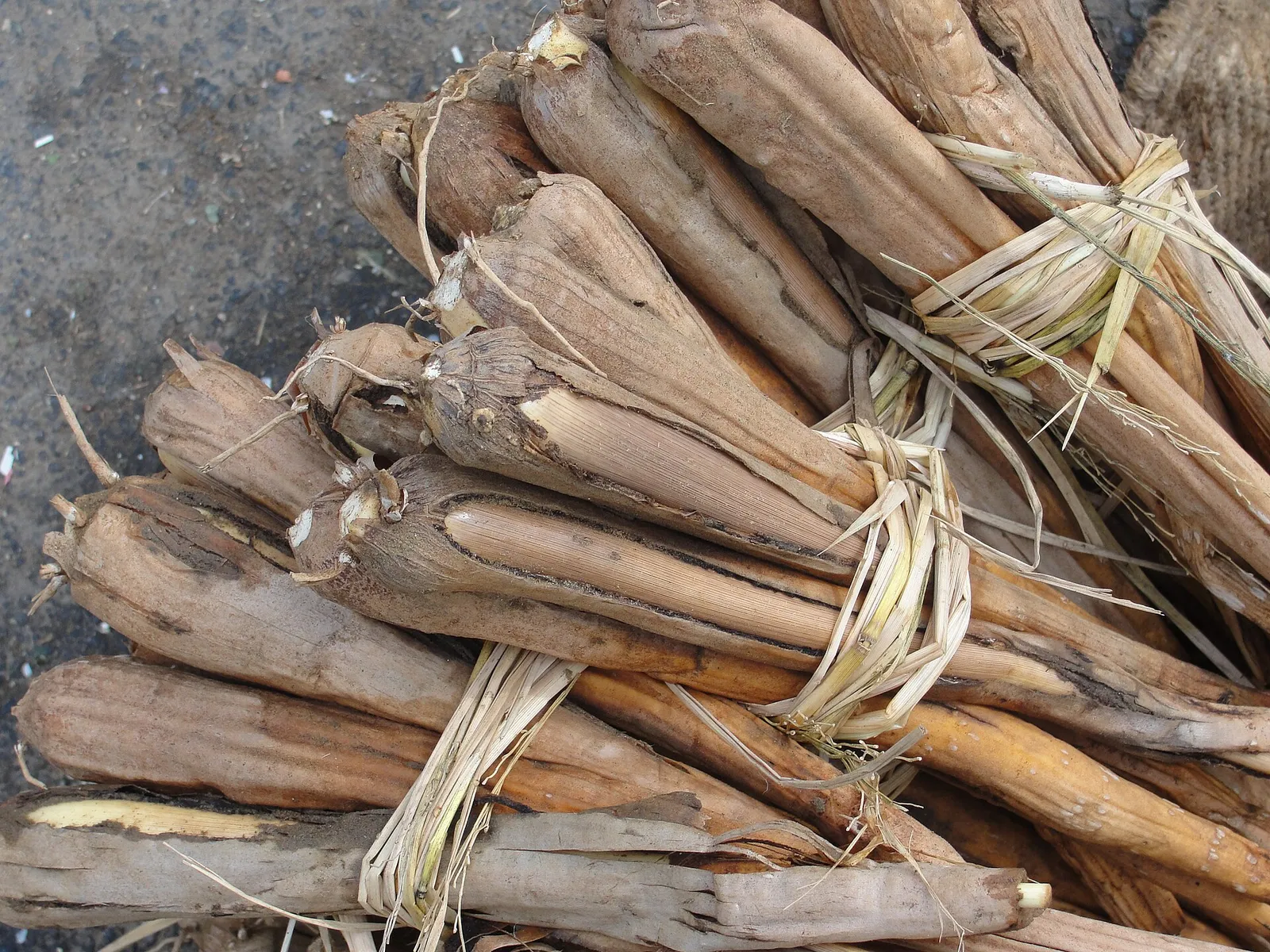
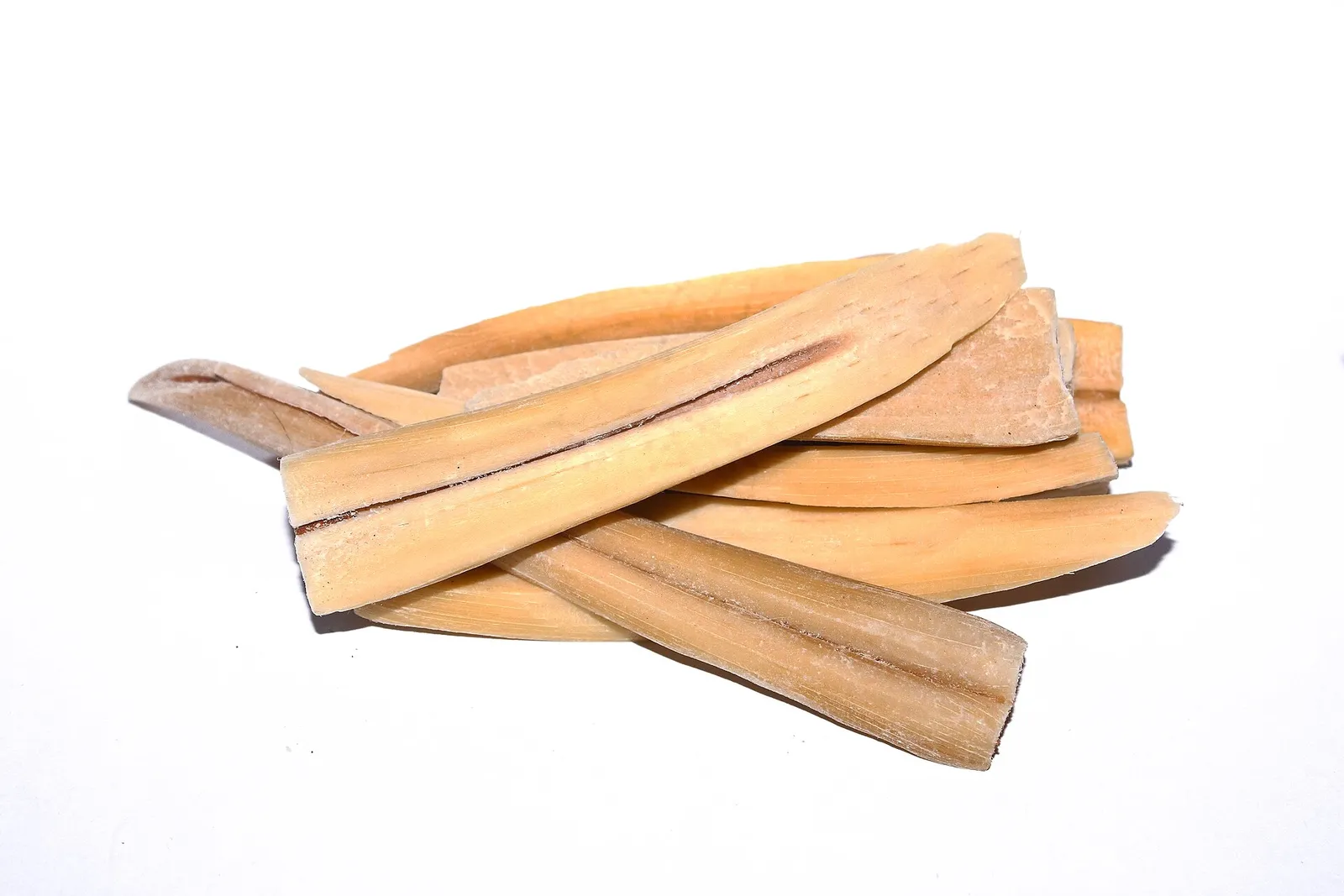
It is an acquired taste: chewy, a little stringy and mildly sweet. It turns up in village recipes, such as a southern Tamil mix of crushed aval (flattened rice), kizhangu powder, palm jaggery, roasted coconut and peanuts, and in Pongal-season sweets made with palm jaggery and ghee. If you want to try it, buy a boiled piece from a market seller and eat it the same day.
Beyond Food: Palm-Leaf Crafts and Everyday Uses
The leaves, stalks and trunk are used as much as the sap. Dried fronds are woven into baskets, mats and hand fans; the fibre becomes rope and brushes; and the wood is a traditional timber for roofs. The leaf was also the writing surface for old Tamil manuscripts. Palm-leaf fans and baskets are light and easy to carry home. Our Kanyakumari souvenir shopping guide covers the shell, wood and handicraft side of the town's shopping.
Where to Find These Foods and When: A Quick Guide
| Product | Season / availability | Where in south Tamil Nadu | Can it travel home? |
|---|---|---|---|
| Pathaneer (fresh sap) | Tapping season, usually the hot months; drunk the same morning | Palm belts of Thoothukudi, Tirunelveli, Tenkasi; licensed tappers and board outlets | No. It spoils within hours |
| Karupatti (palm jaggery) | Made during tapping season; sold all year from stock | Udangudi, Tiruchendur, Tirunelveli; markets and provision shops in Nagercoil | Yes. Keep dry; lasts months |
| Palm candy (panangkalkandu) | Made during and after tapping season; sold all year | Same belt; provision shops and herbal stores | Yes. Keep dry and airtight |
| Nungu (ice apple) | Roughly late April to July | Roadside sellers across the south | No. Eat the same day |
| Panang kizhangu | Seasonal; ask the seller; popular around harvest and Pongal | Markets in Tirunelveli district and nearby | Boiled: no. Dried odiyal and flour: yes |
| Palm-leaf crafts | Year round | Craft shops and temple streets | Yes. Light and flat |
How to Tell Real Karupatti from Adulterated Karupatti
Karupatti is expensive for a sweetener, because a tree gives limited sap and it boils down to a small fraction of its volume. That makes it a target for blending with cheaper cane sugar or jaggery. There is no single foolproof home test, so combine several checks:
- Colour and look. Genuine karupatti is dark brown to nearly black, a little matte and sometimes slightly crumbly. Very pale, uniform blocks with glossy crystals suggest cane sugar or bleaching.
- Smell. It should smell of caramel, a hint of smoke and the faint minerally note of palm. A flat, plain-sugar smell is a warning.
- Price. Recent press reports from the palm districts put karupatti at about ₹350 to ₹600 per kg depending on type, with Udangudi stock at the higher end. A "pure palm jaggery" price far below that is suspicious.
- Dissolve test, with caution. A piece stirred into warm water should leave little sediment. A white or chalky layer at the bottom points to crude fillers. It will not catch added cane sugar, which dissolves just like karupatti.
- Source. The most reliable check is the seller. Buy from someone who can name the village, the tapper or the cooperative. For Udangudi karupatti, look for the GI-labelled product of the palmyrah cooperative.
Karupatti Coffee and How It Is Used
The easiest way to taste karupatti is in a hot drink. Karupatti coffee is coffee sweetened with melted palm jaggery in place of sugar, and it has moved from southern homes into cafes across Tamil Nadu. At home: melt the karupatti in a little hot water, strain out any grit, stir it into the decoction, and add milk last and not too hot, since hot milk can curdle on contact with jaggery syrup. Other classic uses are karupatti paniyaram, kozhukattai filling, payasam and dry-ginger coffee (sukku kaapi). Some tea stalls and cafes in and around Nagercoil offer karupatti coffee or tea; it is always worth asking before you order. Our Nagercoil evening tiffin culture guide covers what else to order with the tea.
Storage and Buying Tips for Travellers
- Karupatti keeps. In a dry, airtight jar away from damp, it lasts months. It softens in humid weather, and the monsoon is the stickiest time. For how other local snacks compare, see our snack storage and shelf-life guide.
- Buy a small block first. Smell it, check the colour and taste a crumb before buying a kilo.
- Pack it well for flights. Solid blocks are fine in luggage; wrap them in plastic against stickiness. Palm candy is brittle, so keep it in a rigid box.
- Ask for a bill or a label. GI-labelled Udangudi karupatti comes packed and branded, which is the easiest way to avoid blends.
- Eat nungu and pathaneer on the spot. They are experiences, not souvenirs.
Things to Buy in Kanyakumari: Where Palmyra Fits
If you are asking what to buy in Kanyakumari, palm jaggery and palm candy are genuinely regional and travel well, but they are not the only edible souvenirs. Shell crafts, palm-leaf goods, spices and Nendran banana chips are the usual shopping, and our what to buy in Nagercoil, Nagercoil food gifts guide and what Kanyakumari is famous for pages cover the whole list. The wider food culture of the district is in our Nanjil Nadu food guide, the Kanyakumari famous snacks page covers savoury snacks, and the old market area is covered in Vadasery market history.
Driving down from the east? The coast road from Rameswaram passes long stretches of palm country before Kanyakumari; our Rameswaram to Kanyakumari road trip guide describes the route. And if you would rather have a driver take you round the markets, see our Kanyakumari tour packages.
What RajaGopal Sweet Stall Does and Does Not Sell
To be straight with you: we do not make or sell karupatti, palm candy, nungu or any palmyra product. Our sweets are made with sugar and pure cow ghee, and our savoury snacks are fried in pure cold-pressed groundnut oil, with no preservatives or artificial colours. We have been at Asambu Road, Vadasery, Nagercoil since 1965, open daily 9:00 AM to 9:00 PM.
What we do offer as an edible souvenir from Nagercoil is vacuum-packed Nendran banana chips (₹100 for 250 g, ₹200 for 500 g, ₹400 per kg; 3 to 4 weeks shelf life), wheat halwa (₹160 per 250 g; 15 to 20 days), ghee Mysore Pak and laddu. A block of karupatti from a palm-jaggery seller plus a pack of chips from us makes a good two-flavour bag from the deep south. See also our traditional sweets of Kanyakumari guide.
Take Home Chips and Sweets from Nagercoil
Buying karupatti on your trip? Add a pack of Nendran banana chips or a box of ghee sweets from our shop. We pack them vacuum-sealed for the journey home and ship across India.
- Banana chips: ₹100 / 250 g, ₹200 / 500 g, ₹400 / kg
- Pure cow ghee halwa, Mysore Pak and laddu; fried snacks in cold-pressed groundnut oil
- No preservatives or artificial colours. Bulk and gifting orders with 24-48 hours notice
 Fried fresh in Vadasery, Nagercoil
Frequently Asked Questions
What is karupatti?
Karupatti is Tamil for palm jaggery: the dark, mineral-tasting block sweetener made by boiling the fresh sap (pathaneer) of the palmyra palm until it thickens and sets in moulds. It is also called panai vellam or panangkarupatti, and it is the traditional sweetener of southern Tamil Nadu.
Is karupatti better than normal jaggery or sugar?
Karupatti is less refined than white sugar and keeps some minerals and a deeper flavour, but it is still mostly sugar and has about the same calories. Sources disagree on whether palm or cane jaggery has more iron, and glycemic index figures vary between studies. Treat it as a tastier sweetener, not a health food, and people managing blood sugar should still limit it.
What is pathaneer (padhaneer) and is it alcoholic?
Pathaneer is the sweet, fresh sap collected from the palmyra flower stalk. When the collecting pot is coated with lime, the sap does not ferment and stays a sweet, non-alcoholic drink. If the same sap is left uncoated it ferments within hours into kallu (toddy), which is alcoholic. Pathaneer is a seasonal drink, best the morning it is tapped.
What is palm candy (panangkalkandu)?
Palm candy, called panangkalkandu in Tamil, is a crystalline sugar made by boiling pathaneer and leaving the strained syrup in earthen pots for weeks until it crystallises. It is paler and milder than karupatti, dissolves easily, and is traditionally used in milk, in home remedies for coughs and in sweets.
How can I tell real karupatti from adulterated karupatti?
Real karupatti is usually dark brown to near black, firm but slightly crumbly, and smells of caramel and a little smoke. Very pale, shiny, uniformly crystalline blocks and unusually cheap prices suggest cane sugar has been mixed in. Home tests, such as dissolving a piece in water and looking for white sediment, catch crude fillers only, so the best protection is buying from a known maker or the cooperative that sells GI-labelled Udangudi karupatti.
What is nungu or ice apple and when is it available?
Nungu, called ice apple in English, is the soft, translucent, jelly-like kernel inside the young palmyra fruit, with a little sweet water. It is a summer fruit, sold on roadsides in southern Tamil Nadu from roughly late April into July, and it spoils quickly, so it is eaten fresh and not carried home.
Does RajaGopal Sweet Stall sell karupatti or palm products?
No. Our sweets use sugar and pure cow ghee, and our savoury snacks are fried in cold-pressed groundnut oil. We do not make or sell karupatti, nungu or palm candy. For edible souvenirs from Nagercoil we make vacuum-packed Nendran banana chips, ghee halwa, Mysore Pak, laddu and jalebi.
Header photo: Yercaud-elango via Wikimedia Commons, CC BY-SA 4.0.
Explore Related Guides
More on shopping and eating in the deep south: